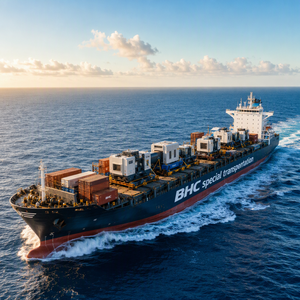

Purpose-engineered logistics architectures built to mitigate supply chain exposure across mining equipment, heavy structural modules, and clean-tech components entering the European Common Market.
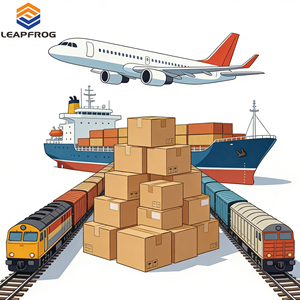
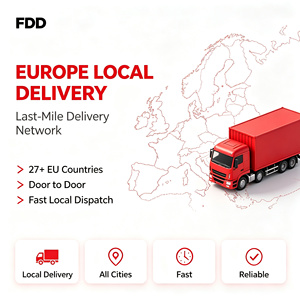
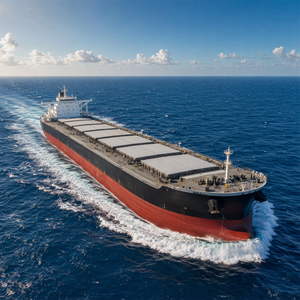
The Port of Hamburg operates as the undisputed continental pivot point for Northern and Central European raw material imports, mineral processing, and heavy-equipment fabrication. Navigating maritime routing via the Elbe requires deep operational synchronization between oceanic breakbulk vessels, roll-on/roll-off (RoRo) carriers, and inland barge feeder systems navigating the Upper and Lower Elbe corridors. Mining logistics does not merely entail the movement of tonnage; it demands strict engineering compliance, micro-calibrated axle-load planning, transhipment terminal access, and direct integration into the European rail freight network (Hamburg Rail Port).
As international exporters dispatch heavy mining components—ranging from high-tonnage hydraulic excavators, ball mill pulverizers, and flotation columns to structural pre-engineered support systems—Hamburg's multi-purpose terminals (such as Wallmann & Co., C. Steinweg, and Rhenus Midgard) require comprehensive stevedoring appraisals, stowage simulations, and sea-fastening certifications. Ensuring cargo safety involves dynamic center-of-gravity analyses for out-of-gauge (OOG) consignments, tandem crane operations along terminal quays, and specialized heavy-lift rigging aligned with DIN EN 12195 standards.
Furthermore, Hamburg acts as a customs catalyst under European Union trade jurisdiction. Utilizing our comprehensive AEO (Authorised Economic Operator) frameworks, cargo flow avoids bureaucratic bottlenecks. Consignments destined for industrial mineral processing plants in Lower Saxony, North Rhine-Westphalia, or metallurgical centers across Poland and the Czech Republic transition under seamless T1 transit procedures, ensuring non-cleared duty suspense while maintaining rigorous fiscal compliance.
Translating heavy mining logistics into operational success in Northern Europe demands specialized deployment methodologies mapped directly to local infrastructure limitations and regulatory protocols:
Direct discharge from ocean vessel to specialized multi-axle hydraulic platform trailers (SPMT) for transport toward manufacturing yards in Harburg, Wilhelmsburg, and the industrial corridor of Moorburg.
Immediate integration into the Hamburg Hafenbahn rail network, marshaling unit trains carrying industrial ore, processing mill spares, and mining consumables directly into continental European smelters.
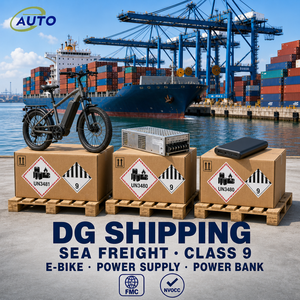
Safe storage of critical Class 9 dangerous goods, exploration battery packs, and sensitive electronic telemetry rigs in climate-regulated, bonded customs depots in the Port of Hamburg prior to onward inland clearance.
1. Decarbonization Mandates & Shore-Power Integration (Net-Zero 2040): The Hamburg Port Authority (HPA) continues to enforce progressive environmental criteria. Heavy-lift maritime freight forwarders must coordinate low-emission logistics solutions, utilizing shore-power-ready vessels and modern hydrotreated vegetable oil (HVO100) trucking setups for drayage across the port district to meet client ESG compliance targets.
2. Digital Twin Manifests & Predictive Berth Planning: In response to Elbe depth constraints and seasonal tide variations, predictive ETA management platforms have become indispensable. WTA’s proprietary real-time visibility platform maps water-level variances, locks congestion, and crane availability, virtually eliminating unexpected vessel detention fees and demurrage surcharges for large project shipments.
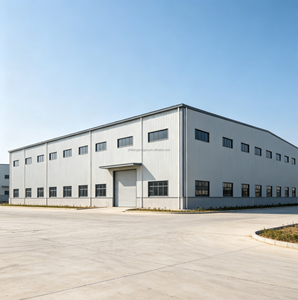
3. Supply Chain Resilience via Near-Port Strategic Spares Buffers: Due to continuous macro disruptions in deep-sea passages, mining plant operators across Northern Europe have shifted from purely "Just-in-Time" procurement to hybrid buffered inventory models. Prefabricated, large-span bonded steel facilities provide the ideal warehousing base to hold spare ball mills, heavy flotation valves, and high-wear crushing plates within 24-hour overland transit of all primary European extraction sites.
Founded in 1913 by Ernest Sommer, our fourth-generation global logistics enterprise bridges more than 110 years of freight forwarding authority with advanced digital intelligence. We eliminate the friction and cost inflators traditionally associated with project-heavy logistics:
Authorised Economic Operator (AEO) and C-TPAT certified, providing accelerated customs channels, simplified clearance declarations, and prioritized security inspection protocols.
Full shipment telemetry, proactive delay anticipation powered by machine intelligence, automated ESG carbon calculations, and paperless milestone documentation accessible 24/7.
Strategically situated regional offices in the United Kingdom, United States, China, and the United Arab Emirates, delivering round-the-clock point-of-origin control to destination handling.
Critical operational answers for German procurement managers, site engineers, and global supply chain directors routing mining infrastructure into Hamburg.
In accordance with § 29 Abs. 3 and § 46 Abs. 1 Nr. 5 StVO, heavy transports exceeding standard European dimensions (40 metric tons gross, 4.0m height, or 2.55m width) require single-trip permits (Einzelerlaubnis) verified through the VEMAGS portal. Route calculations crossing the Köhlbrandbrücke or Kattwykbrücke require dynamic stress assessments coordinated with the Hamburg Port Authority and local police escorts.
Class 9 Hazmat shipments must strictly satisfy IMDG codes upon maritime arrival and ADR regulations for onward overland transport. In Hamburg, hazardous cargo notifications must be registered via the GEGIS hazardous cargo data network prior to arrival. Our in-house dangerous goods safety advisors (DGSA) oversee direct transhipment or temporary storage at certified ADR-compliant bonded facilities.
Yes. Utilizing European Customs Union Transit Procedures (T1 document) or direct entry into our Hamburg bonded storage facilities (Zolllager Typ I/II), custom duties and German Import Turnover Tax (Einfuhrumsatzsteuer of 19%) remain suspended until the cargo is released for free circulation or transhipped to non-EU destinations.
Vessels exceeding specific maximum drafts are subject to tidal windows regulated by the Hamburg Vessel Traffic Service. We maintain active integration with port hydrological systems to coordinate deep-sea vessel arrivals with local feeder lightering operations, mitigating the risk of high-cost emergency lightering or unexpected idle vessel charges.
Essential filings include the commercial invoice itemized with exact HS codes, packing lists specifying gross/net tare weights, certificates of origin, CE compliance self-declarations (where machinery falls under EU Machinery Directive 2006/42/EC), and the Bill of Lading annotated for direct hinterland intermodal handover.
Demurrage occurs when loaded containers linger on port terminals beyond contracted free time; detention triggers when empty containers are returned late to depot yards. WTA eliminates these fees via automated pre-clearance filings, advance carrier haulage booking, and pre-negotiated demurrage windows (extending typical 3-day windows up to 14 days for complex industrial projects).