
Precision cross-border capabilities engineered to connect Sri Lankan assembly lines, apparel hubs, and maritime docks to major global consuming centers.
High-frequency consolidations linking Far East factories through Colombo transshipment into key Canadian and US terminal gates.
Explore Solution →
Streamlined intermodal transfer featuring bonded container trucking, off-dock storage, and dedicated regional import clearance handling.
Explore Solution →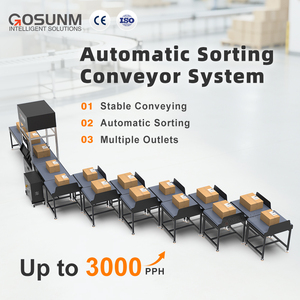
High-throughput parcel sorting mechanisms tailored for free-trade zone transshipment facilities and express distribution hubs.
Explore Solution →
Rapid 10–25 day door delivery frameworks combining premium ocean charters with nationwide expedited inland truckload connections.
Explore Solution →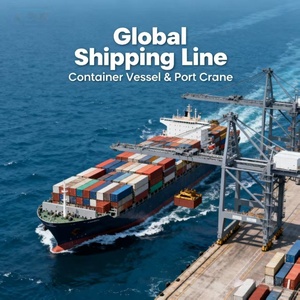
Specialized handling for critical chemical supply lines adhering strictly to international IMDG and local marine terminal compliances.
Explore Solution →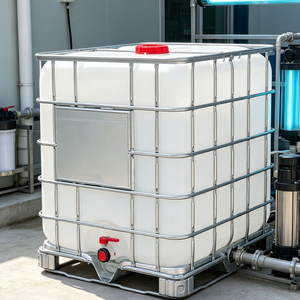
Reinforced industrial intermediate bulk containers designed for seamless transfer across rail freight platforms and container ships.
Explore Solution →
Integrated precision parts logistics ensuring smooth supply from component manufacturers to assembly facilities without downtime.
Explore Solution →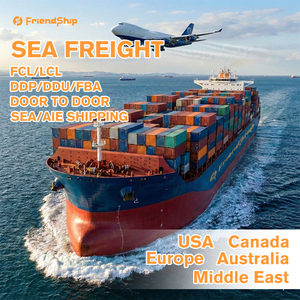
Consolidated multimodal services optimizing interior stowage factors for consumer products moving into South Asia and the Middle East.
Explore Solution →The contemporary maritime terrain surrounding Sri Lanka is experiencing a paradigm shift. Situated precisely at the nexus of the world's most congested east-west shipping arterial lanes, Sri Lanka's logistics network—anchored by the Port of Colombo and complemented by the expanding infrastructure of Hambantota Port—serves as far more than a pure marine transshipment point. Modern industrial enterprise requires absolute synchronization between maritime berthing schedules, bonded inland container depots (ICDs), domestic haulage, and international air transfer out of Bandaranaike International Airport (CMB).
As international supply chain structures demand elevated cargo visibility and compression of lead times, relying on fragmented single-mode operations produces intolerable financial risk. Ocean demurrage, missed flight consolidations, uncoordinated customs declarations, and unexpected equipment imbalances can rapidly erode commercial margins. WTA Group applies more than a century of logistics stewardship to mitigate these vulnerabilities, deploying unified multimodal transport protocols designed specifically for the unique operational realities of the Sri Lankan trade ecosystem.
Our multimodal freight architecture addresses concrete operational pain points across several prominent Sri Lankan industrial sectors:
Several macro factors are elevating the importance of agile multimodal transport solutions within Sri Lanka:
We blend 110+ years of operational forwarding lineage with modern digital supply chain technology.
Founded in 1913 by Ernest Sommer, WTA Group has navigated over a century of macroeconomic evolutions, offering enterprise clients stability and seasoned supply chain crisis handling.
Every shipment is linked to our proprietary tracking platform, providing real-time geofencing, carrier milestone updates, predictive delay mitigation, and instantaneous ESG carbon data reporting.
With Authorised Economic Operator (AEO) status and certified customs specialists across 7 international locations, we clear complex tariff regimes safely, eliminating demurrage charges.
Direct answers to frequent logistical, regulatory, and financial inquiries encountered by purchasing teams.
Cargo originates via rapid maritime container vessel from East Asia, discharging at the Port of Colombo. Under specialized bonded transshipment documentation, the shipment transfers to bonded drayage vehicles directly to Bandaranaike International Airport (CMB) where it is built onto air pallets (ULDs) and flown out to European or American destination airports. This trims standard sea transit by weeks while dramatically reducing pure air freight spend.
We actively manage port storage windows through advance manifest filings, digital pre-clearance with local customs authorities, and pre-allocated tractor-trailer chassis. Furthermore, our enterprise agreements provide negotiated free-time allowances at both origin and destination terminals, preventing the accrual of avoidable port demurrage costs.
Yes. Our operational specialists are experienced in processing under Sri Lanka BOI protocols, temporary import for export processing (TIEP) schemes, and bonded inter-zone transfers between free trade zones such as Katunayake and Biyagama. We manage all bank guarantees, customs bond submissions, and release documentation.
All customers receive direct access to our real-time visibility platform. The interface centralizes ocean carrier AIS telemetry, flight manifest tracking, localized GPS trucking pings, commercial invoice storage, customs clearance stamps, and lane-by-lane carbon emission tracking accessible from any web browser or mobile client.
Hazardous chemicals require prior terminal approvals from the Sri Lanka Ports Authority (SLPA) and specialized storage allocations. We provide UN-certified transport equipment (such as reinforced IBC liquid tanks), review Safety Data Sheets (SDS), verify IMDG maritime hazard labels, and deploy licensed DGR freight handlers across every intermodal touchpoint.
While CIF is commonly utilized, it often exposes local buyers to uncontrolled local destination terminal handling charges (THC) applied by overseas forwarders. We generally advise commercial procurement teams to operate under FCA (Free Carrier) or FOB terms, granting you control over the multimodal route, carrier selection, and predictable door-to-door transit fees.
Connect directly with our senior freight engineering team to review route schedules, verify carrier capacity, eliminate billing surprises, and design custom transport architectures that safeguard your delivery schedules.
Contact Us