Precision-engineered logistical solutions, certified transport frameworks, and specialized manufacturing equipment tailored for express Eurasian transit, high-value components, and rapid turnkey delivery.


In an era defined by volatile maritime bottlenecks, shifting nearshoring mandates, and accelerated manufacturing cadences, the Republic of Azerbaijan has emerged as a cornerstone node within Eurasian supply networks. Positioned at the exact geographic fulcrum of the Trans-Caspian International Transport Route (TITR)—commonly known as the Middle Corridor—Azerbaijan links the surging production powerhouses of East Asia directly with European and Middle Eastern industrial epicenters. For global procurement directors, original equipment manufacturers (OEM), and original design manufacturers (ODM), sourcing express air freight services from and through Azerbaijan delivers unprecedented strategic agility, significantly reducing reliance on volatile deep-sea passages and heavily contested overland corridors.
Azerbaijan's modern air freight architecture is anchored by the state-of-the-art Heydar Aliyev International Airport (GYD) in Baku, complemented by the specialized cargo terminals at Ganja (GNJ) and the burgeoning logistics hubs situated within newly liberated zones like Fuzuli (FZL) and Zangilan (ZZE). Operating with category III-B instrument landing systems, extensive temperature-controlled facilities, and rapid customs transshipment rights, Azerbaijan provides an uncompromising platform for OEM/ODM manufacturers exporting mission-critical aviation components, oilfield equipment, automated instrumentation, telecommunication enclosures, and agricultural perishables. Leveraging accredited air forwarders, licensed customs brokerage, and unified end-to-end visibility platforms, shippers achieve express turnaround times that shave up to 70% off traditional ocean transit durations while sustaining meticulous compliance standards.
Azerbaijan's industrial policy has catalyzed distinct economic zones that rely intrinsically on swift, reliable air-cargo integrations. The modern demand for OEM/ODM factory outputs across the Caspian region spans several critical industry vectors:
The Shah Deniz, ACG oilfields, and Sangachal terminal demand instant OEM replacement parts. Valves, downhole telemetry sensors, subsea robotics, and drilling manifolds are exported and imported via charter and scheduled flights to avert multimillion-dollar downtime.
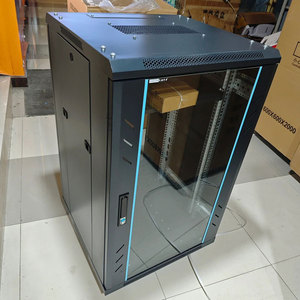
With Baku positioning itself as the Caspian digital hub through the Digital Silk Way initiative, customized 19-inch metal flat-pack server racks, high-density optical distribution modules, and network controllers are delivered by express air freight with strict shock and vibration isolation.
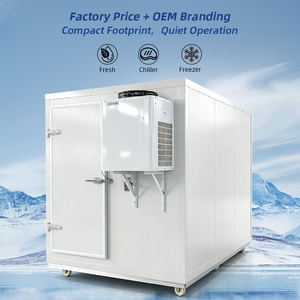
Pharmaceutical distribution, reagents, high-value confectionery, and fresh horticultural exports require active-monitored refrigerated cargo systems. Automated industrial cold storage solutions with remote telemetry guarantee zero thermal deviation during airport tarmac transfers.
Furthermore, the establishment of the Alat Free Economic Zone (AFEZ), directly adjacent to the Port of Baku, has generated a symbiotic air-sea-rail multimodal corridor. High-tech assembly plants located in AFEZ leverage OEM component kits flown directly into GYD airport under bonded transit manifests, assemble or configure advanced equipment within free-zone tax exemptions, and dispatch finished goods via expedited express routes across the South Caucasus, Central Asia, and Eastern Europe.
Global supply chain architectures have structurally evolved. Unpredictable canal blockages, environmental regulations on ocean mega-vessels, and geopolitical realignment across the Northern Corridor have concentrated global trade flows along the Middle Corridor. Azerbaijan occupies the primary choke-point-free intersection of this network. Cargo originating in manufacturing epicenters such as Shenzhen, Shanghai, or Zhengzhou reaches Baku within 8 to 14 flight hours, compared to 38 to 50 days via deep-sea routes passing the Cape of Good Hope.
| Routing Vector | Standard Modality | Typical Transit Window | Risk Profile & Climate Control | Strategic Application |
|---|---|---|---|---|
| China to Azerbaijan Direct | Scheduled / Charter Express Air | 24 – 48 Hours | Minimal risk, fully pressurized, calibrated ULDs | Critical JIT automotive components, telecom equipment, electronics |
| Baku Hub to EU (Frankfurt / Milan) | Narrow / Wide-body Air Freight | 36 – 72 Hours | High-frequency schedules, bonded customs air-transit | OEM finished goods, specialized tooling, express chemical shipments |
| Middle Corridor Multimodal (China-Baku-EU) | Air-Rail Sea Combined | 12 – 16 Days | Moderate exposure, containerized tracking, cost-optimized | Bulk manufacturing consignments, server rack shipments, machinery |
| Maritime Deep Sea Alternative | Standard Ocean FCL / LCL | 42 – 60 Days | High humidity fluctuation, port congestion surcharges | Low-margin, non-perishable raw inventory replenishment |
Recent developmental trends within Azerbaijan highlight a decisive leap into digitization. The State Customs Committee of Azerbaijan has rolled out automated declaration processing engines, "Green Corridor" clearance protocols for accredited economic operators, and paperless electronic consignment notes (e-AWB). Shippers partnering with premier freight organizations benefit from frictionless clearing timelines, where pre-arrival data validation guarantees that express cargo is released from tarmac custody within hours of aircraft wheel-stop.
Navigating complex international air freight lanes demands more than freight booking; it requires profound domain authority, deep carrier relationships, and relentless risk elimination. With a legacy spanning over a century since our foundation in 1913 by Ernest Sommer, WTA Group has engineered resilient freight ecosystems across four generations of family-owned excellence.
Founded in 1913, we bring more than a century of logistics insight to every air shipment, managing unexpected geopolitical shifts and macroeconomic disruptions with battle-tested agility.
Our licensed customs brokerage professionals operate with top-tier international trade security accreditations, mitigating regulatory exposure, tariff misclassifications, and border detentions.
Every customer receives comprehensive, complimentary access to our digital tracking cockpit. Predict flight delays using live telemetry feeds, monitor dwell times, and export automated ESG carbon analytics.
Through our long-standing IATA accreditation and tier-one partnerships with global cargo carriers operating out of Baku, we maintain guaranteed air space even during peak quarter consolidations.
Fully compliant with IATA DGR and cold chain protocols, our specialized cargo engineers safely process lithium batteries, chemical reagents, and sensitive electronics under strict DDP terms.
We eradicate the unexpected hidden surcharges common in air logistics. Fuel surcharges (FSC), security charges (SSC), terminal handling (THC), and customs documentation are transparently structured upfront.
To assist procurement managers, logistics heads, and OEM directors in streamlining their freight sourcing through Baku and Azerbaijani entry points, our senior freight operations team has compiled definitive technical clarifications:
Whether you require scheduled consolidations, full aircraft charters into Baku, or specialized OEM/ODM factory exports with integrated customs brokerage, our century-old logistics house is prepared to engineer your optimal lane.