
Direct from audited partner factories and multimodal operational hubs: engineered transport infrastructure, heavy drayage machinery, cold-chain plants, and integrated cross-border routes.
A technical guide for industrial manufacturers, civil engineering contractors, and supply chain managers deploying overland transport equipment and linehaul logistics across Aotearoa.
New Zealand presents unique overland challenges characterized by mountainous terrain, seismic faulting, narrow volcanic passes, and strictly enforced bridge axle limits. Navigating State Highway 1 across the Desert Road or Lewis Pass requires precision fleet configurations, including 50MAX and High Productivity Motor Vehicle (HPMV) engineering designs built to absorb dynamic axle stresses while strictly adhering to NZTA (Waka Kotahi) permits.
New Zealand relies heavily on sea-freight gateways—primarily Ports of Auckland (POAL), Port of Tauranga (POT), Lyttelton Port Company (LPC), and Port Otago. True manufacturing productivity depends on factory-engineered transfer solutions: heavy swing-lifters, container chassis, and automated roll-trailer systems linking shipside discharge berths seamlessly with inland container depots (ICDs) like Wiri, Ruakura, and Rolleston.
Connecting the North and South Island manufacturing basins requires fail-safe Roll-on/Roll-off (RoRo) multimodal road and rail configurations across the Cook Strait between Wellington and Picton. Overland haulage fleets must integrate specialized maritime lashing points, corrosion-resistant chassis materials engineered against high salt-spray marine environments, and quick-coupling mechanical assemblies that prevent ferry turnaround delays.
Comparative technical operational parameters for heavy haulage, standard container freight, and specialized factory overland equipment operating across NZ corridors.
| Vehicle / Equipment Classification | Max Gross Mass (GVM) | NZTA Axle Compliance | Primary NZ Industrial Corridor | Biosecurity (MPI) Exposure | Optimal Freight Application |
|---|---|---|---|---|---|
| Standard Class 1 Heavy Combination | 44,000 kg | Standard General Access | National Network (SH1, SH2, SH3) | Moderate | Standard 20ft/40ft ISO dry containers, LTL groupage, palletized retail goods. |
| 50MAX Pro-Forma Combination | 50,000 kg | 9-Axle Restricted Bridge Map | Auckland – Hamilton – Tauranga Golden Triangle | Low Internal | Bulk export commodities, dairy powders, packaged timber, high-density FMCG goods. |
| HPMV (High Productivity Motor Vehicle) | Up to 58,000+ kg | Route-Specific Permit Required | Designated Freight Arterials & Port Access | High Verification | Heavy steel coil drayage, raw milk tankers, heavy manufacturing plant relocation. |
| Intermodal Skeleton Swing-Lifter | 32,000 kg Payload | Hydraulic Crane Self-Stabilizing | Metro Hubs (Penrose, East Tamaki, Hornby) | High Biosecurity | Direct factory floor container placement without needing permanent warehouse gantry cranes. |
| Multi-Temperature Reefer B-Train | 44,000 – 54,000 kg | ATP European & NZ Standard | Hawke’s Bay, Bay of Plenty → Port Hubs | Critical Control | Horticultural produce, chilled meat cuts, export-grade seafood, pharmaceutical APIs. |
Precision execution tailored to regional topography, agricultural density, and industrial processing hubs.
Auckland, Hamilton, and Tauranga generate over 50% of New Zealand's total freight movements. Overland transport factories optimize continuous-duty 50MAX linehauls, connecting raw materials imported through POAL directly to assembly plants in Drury and the Ruakura Superhub inland freight exchange.
Centering around the Rolleston Logistics Drive and Christchurch transport terminal, freight fleets manage broad-acre agricultural machinery and manufactured parts heading across the Canterbury Plains down to Timaru and Dunedin, relying on heavy-duty dust seals and sub-zero chassis protection.
Kiwifruit and avocado harvests across Te Puke and the Bay of Plenty, alongside Hawke's Bay pipfruit, demand rapid-response overland drayage. Utilizing insulated multi-temperature reefers ensures that field heat is removed quickly, maintaining uncompromised cold chains to Pot of Tauranga berths.
The central North Island volcanic plateau (Taupo, Rotorua, Kawerau) requires overland heavy-haul flat racks and self-propelled modular trailers (SPMT) capable of carrying massive industrial turbines, boilers, and pulp mills over steep geothermal forestry tracks.
Analyzing zero-emission legislative targets, coastal shipping revivals, and intelligent supply chain orchestration.
Under the New Zealand Emissions Reduction Plan and corporate Scope 3 mandates, procurement directors are rapidly piloting hydrogen fuel cell (FCEV) linehaulers and megawatt-charging battery electric prime movers along the Auckland-to-Palmerston North spine, targeting verifiable emissions parity.
Supply chain shocks have highlighted the vulnerability of single-mode highways. KiwiRail capital modernization paired with rejuvenated coastal shipping routes (connecting Tauranga, Lyttelton, and Napier) is driving high-cube container systems engineered specifically for swift three-way intermodal swapping.
Ministry for Primary Industries (MPI) biosecurity border enforcement increasingly integrates electronic sealing, real-time geofenced transit logging, and automated container inspection facility (ATF) handshakes, eliminating administrative truck queues at marine terminal exits.
Combining 110+ years of uninterrupted international logistics leadership with hyper-localized regional compliance networks.
Established in 1913 by Ernest Sommer, WTA Group has navigated over a century of macroeconomic freight disruptions, evolving into a world-class, fourth-generation logistics architecture with owned offices in the UK, China, USA, and UAE.
We operate end-to-end multi-tier freight solutions across 122 countries, guaranteeing that shipments manufactured in East Asian factories or European machine shops reach New Zealand regional destinations without broken chain custody.
Every commercial partner gains direct access to our real-time visibility ecosystem: live GPS telematics, predictive port congestion delay algorithms, integrated customs status dashboards, and instant Scope 3 carbon auditing.
Backed by Authorised Economic Operator (AEO) status and certified customs brokerage teams, we provide swift clearance under the New Zealand Customs Service CUSMOD system, mitigating costly port demurrage and detention fees.
Direct technical answers addressing regulatory restrictions, biosecurity protocols, and inland haulage economics.
Under the NZTA (Waka Kotahi) Land Transport Rule: Vehicle Dimensions and Mass (VDAM), general access heavy combination vehicles operate up to a statutory gross vehicle mass (GVM) limit of 44,000 kg on standard routes, with a maximum rigid vehicle length of 12.6 meters or 20 meters for pro-forma truck-and-trailer combinations. For payloads exceeding this threshold, operators must utilize 50MAX permits (up to 50,000 kg with dedicated 9-axle configurations spread to protect civil bridge structures) or bespoke High Productivity Motor Vehicle (HPMV) route-bound permits capable of managing 58,000 kg or greater. Over-dimension transport requires tailored class permits, transit route surveys, and bridge engineering verifications.
All imported containers entering New Zealand ports are subject to rigorous biosecurity profiling under the Biosecurity Act 1993. Overland trucks cannot simply haul uncleared sea containers directly to end-user factory premises unless that destination is an MPI-approved Transitional Facility (ATF). Uncleared containers must be transferred directly by accredited operators along approved transport corridors to an ATF for unpacking, biological contamination inspection (targeting Brown Marmorated Stink Bug, soil, and biological pests), and container decontamination. Failure to comply leads to severe border quarantine fines and immediate inland turn-backs.
Standard door-to-door transit for consolidated LTL or dedicated FTL movements between Auckland industrial zones and Christchurch is typically 48 to 72 hours under regular operations. This overland linehaul route traverses State Highway 1 south to Wellington Ferry Terminal, involves a 3.5-hour scheduled Cook Strait marine ferry crossing to Picton, and proceeds down State Highway 1 along the Kaikōura Coast or inland via Lewis Pass (SH7) during adverse weather events. High-priority double-shifted team drivers can compress this timeline to approximately 36 hours when ferry slots are booked and confirmed in advance.
Demurrage (port storage fees) and detention (carrier container retention fees) are minimized by executing pre-lodged customs entries via the NZ Customs TSW (Trade Single Window) system well prior to maritime vessel arrival at Ports of Auckland or Port of Tauranga. In addition, procurement directors should negotiate at least 14 days of combined free time on ocean bills of lading and pre-arrange destination swing-lifter or low-loader transport directly to an inland container depot (such as Wiri Inland Port or Ruakura Superhub) within 48 hours of discharge, avoiding congested port terminal layovers.
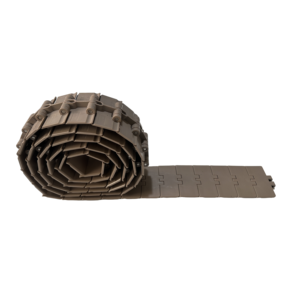
Imported factory machinery and conveyor assemblies (such as the 820S tabletop modular series) must strictly comply with WorkSafe New Zealand guidelines and the Health and Safety at Work Act (HSWA). Electrical drive components, frequency inverters, and switchgear must carry the Regulatory Compliance Mark (RCM) or AS/NZS electrical safety verifications. Furthermore, any wooden packaging, crates, or dunnage must comply with the international ISPM 15 heat-treatment standard with clear visible certification stamps to clear MPI border biosecurity immediately upon discharge.
Plan your upcoming factory procurement, heavy haulage linehaul, or multimodal cross-border shipment with complete schedule reliability and full customs compliance.