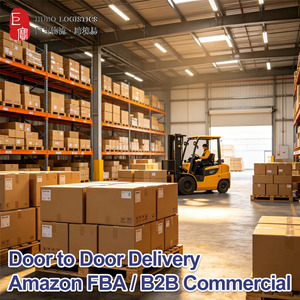

Precision cargo staging, multi-modal container services, and warehousing engineering optimized for Southern Ontario distribution hubs.
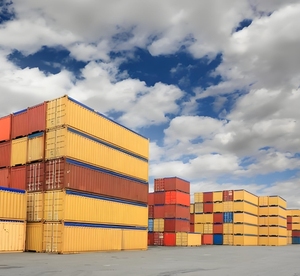

Southern Ontario serves as Canada's industrial nexus. We integrate ocean, rail, and highway linehauls directly into Toronto's high-velocity logistics corridors.
Over 60% of Canadian consumer imports touch the Peel Region logistics cluster. We manage deconsolidation of inbound 40ft High Cube containers into 48x40 GMA spec pallet runs for immediate dispatch along Highway 401 and 410 corridors.
Navigating demurrages at key intermodal yards requires rapid drayage. Our fleet and pre-cleared PARS mechanisms pull palletized container freight directly from Brampton and Vaughan intermodal yards without terminal storage penalties.
Supplying Tier-1 automotive assemblies along the Golden Horseshoe requires millimeter-precise pallet staging, barcode serialized visibility, and strict compliance with returnable metal bin and heavy-skid weight constraints.
Technical realities, regulatory evolutions, and multi-modal routing paradigms shaping Canadian procurement.
The Greater Toronto Area (GTA) sits at the center of a consumer market exceeding 9 million people, operating as the premier inland distribution port of Canada. As supply chain resiliency replaces purely cost-driven procurement models, palletized freight forwarders face complex constraints: fluctuating demurrage thresholds at Prince Rupert and Vancouver maritime gates, rising trans-Canada rail congestion, and rigorous CBSA trade compliance directives.
For procurement officers importing industrial parts, retail merchandise, and building hardware into Ontario, pallet architecture is the foundation of unit cost control. Utilizing standard 48" x 40" 4-way entry wood or thermoformed plastic pallets ensures high compatibility with standard Canadian automated high-bay facilities. However, cross-border cargo passing through the Pacific Gateway must withstand extreme temperature fluctuations across the Rocky Mountain rail passages, necessitating advanced stretch-wrapping, anti-condensation desiccant strategies, and precision weight distribution to abide by Ontario Ministry of Transportation (MTO) axle load regulations under the Highway Traffic Act.
| Routing Dynamic | Primary Entry Node | Average Lead Time to Toronto | Key Risk Point Managed |
|---|---|---|---|
| Direct Intermodal Rail | Port of Vancouver / Prince Rupert | 14 – 19 Days Door | Winter dwell times & intermodal transfer capacity |
| Panama Canal All-Water Line | Port of Montreal / Halifax | 22 – 28 Days Door | St. Lawrence draft limits & winter ice conditions |
| Transpacific Air Express | Toronto Pearson (YYZ) Cargo Terminal | 3 – 5 Days Door | CBSA ACI / e-Manifest documentation pre-clearance |
| Cross-Border US-Canada LTL/FTL | Windsor-Detroit / Fort Erie-Buffalo | 1 – 2 Days Regional | PARS processing and bonded highway carrier staging |
A persistent pain point for enterprise importers remains post-arrival accessorial charges. Demurrage, port terminal holding fees, and chassis split charges can inflate baseline ocean container quotes by up to 35%. WTA mitigates these hidden costs by integrating end-to-end drayage dispatching with custom clearance filed long before the vessel strikes the berth. By pairing international export networks across Europe and Asia with dedicated Canadian terminal operations, shippers gain absolute continuity from warehouse loading to final dock delivery.
Combining over 110 years of international freight forwarding pedigree with cutting-edge digital tracking and accredited customs operations.
In-house licensed brokers backed by international AEO and C-TPAT security accreditations guarantee rapid clearance across CBSA (Canada) and CBP (US) borders without terminal detentions.
Every account enjoys proprietary shipment visibility tracking vessel coordinates, container dwell states, automated delay predictions, and Scope-3 ESG carbon calculation down to the SKU level.
Seamless execution backed by owned facilities across the United Kingdom, United States, China, and the United Arab Emirates, bridged with deep Canadian regional transport partner ties.
We eliminate billing friction. Origin terminal charges, ocean carriage, bunker fuel adjustments (BAF), destination handling, and documentation fees are established clearly upfront.
Expert answers to common cross-border, pallet specification, and intermodal freight challenges.
.png)
.png)
.png)
.png)
.png)
Connect with an international freight routing specialist to lock in ocean allocations, schedule drayage clearance, or audit your current landing cost structures.
Inquire Now