
Publishing Logistics Manufacturers & Factory for Colombia

Global End-to-End Multimodal Solutions, Certified DIAN Customs Brokerage, and Precision Cold-Chain & Book Supply Integrity from Factory Gates to Bogotá, Medellín, and Buenaventura.

Operational Footprint

Publishing Supply Chain Dynamics Across Colombian Geography

Strategic inbound channels designed to overcome local geographical complexities, ensuring uninterrupted distribution for editorial, academic, and commercial printing markets.

Academic & Institutional Editorial Cycles (FILBo Peak)

The annual Feria Internacional del Libro de Bogotá (FILBo) dictates precise shipping cutoffs. We coordinate ocean consolidation runs departing Ningbo, Shanghai, or European ports 60 days in advance, clearing customs at Buenaventura or Cartagena to arrive at Corferias exhibition docks with certified anti-crush crating and moisture barriers.

Port Ingestion: Buenaventura vs. Cartagena Corridor

Navigating the Andes Mountain transit requires distinct routing strategies. Pacific shipments entering Buenaventura are optimized through direct bonded haulage across the Cordillera Occidental toward Cali and Bogotá, while Atlantic shipments via Cartagena and Barranquilla access the northern industrial zones, utilizing GPS-monitored fleet escorts to neutralize logistical bottlenecks.

DIAN Ley del Libro Compliance & Zero-VAT Auditing

Under Colombian Law 98 of 1993 (Ley del Libro), qualifying printed materials and scientific periodicals benefit from comprehensive tariff exemptions and 0% VAT. Our licensed customs specialists provide strict tariff code classification (HS 4901 and 4902) to guarantee immediate regulatory release without demurrage penalties.

1913
Centuries of Excellence: Founded by Ernest Sommer
6,000+
Global Enterprise Clients Across 122 Nations
679
Active International Multimodal Trade Lanes
77 NPS
Customer Net Promoter Score (85% Rank 8/10+)
Industry Horizon

Emerging Macro Trends in Colombian Publishing Logistics

How digital integration, nearshoring of raw packaging materials, and rigorous humidity control are reshaping the Latin American supply chain.

Micro-Fulfillment and Print-on-Demand (POD) Hubs

High warehouse carrying costs in Bogotá's Fontibón and Calle 80 logistics parks have accelerated a transition toward agile cross-docking. Instead of massive multi-container bulk storage, publishers now import unbound signatures and specialty offset stocks, finishing bound editions locally based on real-time national bookshop consumption.

Vapor-Barrier Desiccant Technologies for Tropical Corridors

Ocean transits moving through warm tropical waters experience dramatic temperature drops when climbing from Buenaventura (sea level, 85% RH) to Bogotá (2,640 meters altitude). Without medical-grade silica desiccants, thermal blanket liners, and moisture-sealed shrink wrapping, condensation warping destroys sensitive paper fibres before commercial distribution.

Paper Shortage Hedging & Chemical Solvent Procurement

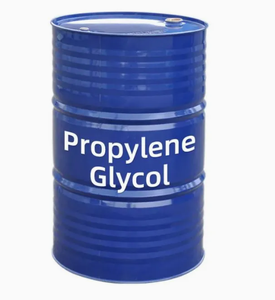
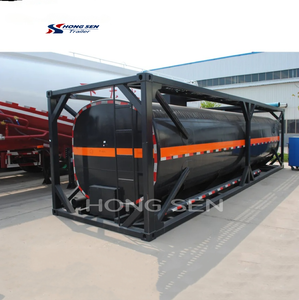
Colombian editorial houses are diversifying their supplier ecosystem by sourcing heavy cellulose board, offset gloss stock, and non-toxic food-grade finishing solvents (such as DPG/PG solutions) directly from certified chemical and paper factories in Asia, combining dry containers and bulk ISO tanks within an integrated billing structure.

Enterprise Reliability

Why Tier-1 Publishers Rely on Our Multimodal Network

Combining over a century of maritime logistics pedigree with proprietary cloud visibility software and certified global regulatory accreditations.

Specialized Publishing Desk in China

Our dedicated book logistics division in China handles everything from plant-floor print validation and pallet balance auditing to direct FCL and LCL container loading, eliminating origin misdeclarations.

International AEO & C-TPAT Status

Authorised Economic Operator (AEO) and C-TPAT accreditations translate directly to preferential customs processing lanes, drastically lowering physical inspection rates at Colombian border terminals.

Free Real-Time Visibility Platform

Every account includes full access to our proprietary cloud portal and mobile app, offering satellite vessel tracking, predictive delay modeling, and real-time ESG carbon reporting per trade lane.

Zero-Demurrage Optimization

We actively negotiate extended 21-day free-time terms with major maritime ocean carriers (such as Maersk, MSC, and CMA CGM) at Buenaventura and Cartagena, insulating your supply chain from unexpected port delays.

Transparent All-In Pricing Models

Eliminate unexpected ancillary fees. We transparently itemize BAF, CAF, Terminal Handling Charges (THC), and documentation fees upfront, giving procurement teams complete balance-sheet certainty.

Full-Spectrum Multimodal Flexibility

Seamlessly shift high-priority shipments between deep-sea ocean routes, trans-Eurasian rail links, and critical air charter capacity via El Dorado International Airport (BOG) when release deadlines are on the line.

Procurement Knowledge Base

Frequently Asked Questions: Colombian Publishing Logistics

Essential guidance on DIAN customs regulations, transit benchmarks, moisture mitigation, and tax-exempt importing protocols.

How does Colombian Ley del Libro (Law 98 of 1993) affect import duties and VAT?
Under Colombian Law 98 of 1993, printed books, educational materials, and scientific reviews classified under HS code 4901 enjoy a 0% tariff (arancel) and complete exemption from value-added tax (IVA). However, qualifying requires exact documentation: invoices must reflect recognized ISBN identification, title manifests, and certified commercial authorship declarations. Failure to prepare the DIAN customs pre-clearance filing correctly can lead to cargo reclassification under generic commercial paper, incurring standard 19% VAT charges. Our licensed customs brokers manage this compliance verification end-to-end.
Which Colombian ocean port should be chosen: Buenaventura or Cartagena?
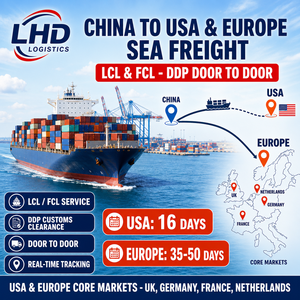
Routing depends entirely on your cargo's origin and final regional destination within Colombia. For manufacturing plants in Asia (China, South Korea, Japan), Puerto de Buenaventura offers the most direct Pacific ocean passage (26–32 days port-to-port), making it the primary artery for distribution to Bogotá, Cali, and the coffee-growing region (Eje Cafetero). For freight originating from Europe or the East Coast of North America, Puerto de Cartagena or Barranquilla is faster (14–20 days) and minimizes high-altitude mountain trucking passes by servicing northern distribution centers directly.
How are paper warping, mold, and humidity managed during mountain transport to Bogotá?
Transporting printed material from the hot, humid Pacific coastline up to Bogotá (2,640m above sea level) exposes shipping containers to dramatic drops in temperature and pressure, which causes "container rain" (dew point condensation). To protect books and paper stock, we install multi-layer inner thermal container liners, high-absorption calcium chloride desiccant poles (absorbing up to 300% of their weight in moisture), and vacuum-sealed, palletized polyethylene stretch wraps. This protects bound products against page cockling, binding glue failures, and fungal mold growth.
What are typical door-to-door transit times from Chinese printing facilities to Bogotá?
Standard multimodal sea freight from printing plants in Shanghai, Ningbo, or Shenzhen to Bogotá door addresses typically takes between 38 to 48 calendar days. This includes origin factory pick-up, container consolidation, 28 to 32 days of Pacific ocean transit, 3 to 5 days for DIAN customs validation and port discharge at Buenaventura, and 3 to 4 days for bonded overland trucking across the Cordillera Central. For time-critical editorial or educational projects, our expedited air freight via El Dorado Airport delivers in 5 to 8 days door-to-door.
Can raw printing raw materials (inks, resins, chemicals) be consolidated with book shipments?
Yes, but strict hazardous cargo segregation must be maintained under international maritime IMO regulations. While non-hazardous print coatings, solvent products (such as high-purity DPG/PG), and bulk IBC containers can travel on the same bill of lading, they must not share container space with finished printed books due to contamination risks and varying customs declarations. We coordinate multi-container consolidations with separate customs entries (Ley del Libro vs. industrial chemical tariffs) to streamline transit under a single project manager.

Streamline Your Colombian Publishing Logistics Pipeline

Connect directly with our Latin American freight architects to model transit schedules, protect cargo against moisture degradation, and optimize DIAN tariff classifications.

Get a Quote