FBA Logistics Hazmat and Dangerous Goods Review Cargo Compliance Forwarding
Class 8/9 Compliant
Send an Inquiry

Purpose-engineered equipment, dangerous goods handling, and certified cross-border shipping models for Moscow terminal distribution.

As the largest consumption center in Eastern Europe, the Moscow Metropolitan Area consumes approximately 60% of all containerized import flows traversing the Eurasian land bridge. Historically dependent on feeder ocean traffic via St. Petersburg or Baltic ports, Moscow-bound supply chains have systematically migrated toward direct 1520mm broad-gauge block trains. By bypassing coastal bottlenecks and unpredictable marine transshipment hubs, Eurasian rail corridors ensure consistent door-to-door transit schedules from main manufacturing hubs in China and Southeast Asia into key Moscow industrial freight clusters including Terminal Vorsino (Kaluga Oblast), TLC Bely Rast, Silikatnaya, and Khovrino.
| Routing Gateway | Track Gauge Transition | Avg. Transit (to Moscow TLC) | Border Processing Protocols | Optimal Cargo Category |
|---|---|---|---|---|
| Manzhouli / Zabaikalsk | 1435mm to 1520mm Bogie Swap / Gantry Crane | 14 – 16 Days | Pre-notified electronic customs data, fast-track rail manifest | Industrial machinery, high-volume consumer goods, retail FCL |
| Alashankou / Khorgos (Kazakhstan) | Transshipment at Dostyk / Altynkol | 16 – 18 Days | Eurasian Economic Union (EAEU) unified rail transit bill | Automotive assemblies, industrial raw chemicals, electronics |
| Erlianhot / Zamiin-Uud (Mongolia) | Transshipment via Ulaanbaatar line | 15 – 17 Days | Trans-Mongolian transit manifest protocol | Heavy industrial components, seasonal apparel, packaging equipment |
| Deep-Sea via Vladivostok Intermodal | Direct vessel-to-train loading | 22 – 28 Days | Far-East maritime clearance, internal bonded transit | Oversized heavy cargo, lower-tier replenishment supplies |
Targeted routing and regulatory integration designed for distribution centers, manufacturing nodes, and e-commerce platforms.
Direct scheduled line-hauls feeding fulfillment complexes in Chekhov, Podolsk, and Sofyino. Rapid deconsolidation of LCL shipments allows rapid inventory injection into nationwide omnichannel platforms without intermediate regional holding.
Scheduled FCL containerized deliveries of precision OEM components, chassis assemblies, and specialized batteries supporting automotive maintenance hubs across the Moscow Ring Road (MKAD) distribution perimeter.
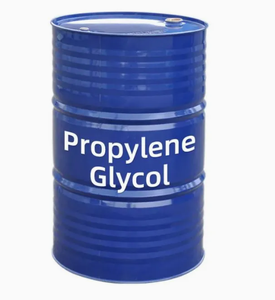
Certified handling of industrial bulk raw materials, industrial solvents (DPG/PG), and sensitive polymers utilizing ISO tanks and dedicated hazardous-rated railcars compliant with RID/SMGS safety regimes.
The transformation of supply chain corridors toward Moscow is defined by technological modernization, gauge integration, and cross-border customs synchronization:
2. Multimodal Gauge Optimization: The systematic adoption of automated gantry cranes at cross-dock border stations (Khorgos/Dostyk, Zabaikalsk) has brought transshipment handling times between standard 1435mm gauge and 1520mm broad gauge down to under 45 minutes per flatbed wagon, minimizing mechanical shock and structural stress on sensitive cargo.
3. Cold-Chain and Active Thermal Rail Logistics: For pharmaceutical compounds and temperature-sensitive chemicals, self-contained diesel-electric refrigerated containers (Reefers) maintaining -25°C to +25°C operate seamlessly across the Siberian rail corridor through harsh winter regimes.
Operating since 1913, we deliver institutional accountability, asset control, and localized execution.
Every shipment is connected to our real-time visibility platform, feeding live milestone tracking, automated sensor-based delay alerts, and instant carbon footprint reporting directly to procurement dashboards.
Supported by international trade security credentials including AEO and C-TPAT, our licensed customs brokers ensure flawless classification, preventing arbitrary cargo arrests and unexpected border demurrage.
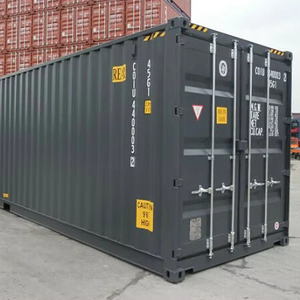
We maintain dedicated equipment allocations—including 20GP, 40HQ, open-top units, and temperature-controlled reefer boxes—mitigating structural container imbalances throughout peak seasons.
Essential guidance for clearance, documentation, transit management, and incoterms.
Shipments must travel under a CIM/SMGS unified consignment note. Key documentation includes the commercial invoice with precise commodity codes, packing list specifying gross and net weights per package, certificate of origin, and safety technical data sheets (MSDS) for sensitive goods or chemicals. When entering under DDP terms, electronic registration with customs authorities must be completed before arrival at the destination TLC.
Container terminals in the Moscow cluster typically afford 3 to 7 free days of storage following wagon discharge. To prevent storage charges, we initiate preliminary customs declaration procedures while the block train is transit-bound through intermediate rail corridors. Pre-booked haulage assets ensure swift evacuation of the container immediately upon release.
Yes. Rail regulations allow designated hazard classes (including Class 8 corrosives and Class 9 miscellaneous lithium battery items) provided they adhere to strict SMGS Annex 2 packing and labeling standards. Proper packaging certifications, un-damaged UN boxes, and accurate Dangerous Goods Declarations (DGD) must be submitted and validated prior to dispatch from origin terminals.
Under DAP (Delivered at Place), the buyer retains responsibility for paying customs duties, value-added taxes (VAT), and performing import customs clearance at the designated terminal. Under DDP (Delivered Duty Paid), our licensed brokerage infrastructure handles full clearance, regulatory duty settlement, and local administrative liaison, delivering cleared cargo directly to your inland warehouse.
Speak with our dedicated rail engineering team to configure optimized schedules, secure terminal allocations, and calculate transparent end-to-end landed rates.