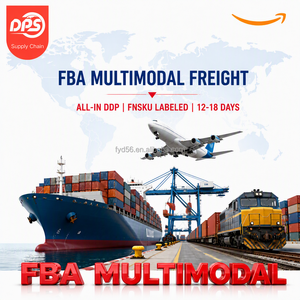
FBA Logistics Hazmat & Dangerous Goods Review Air/Sea Forwarding Service
Class 9 lithium battery handling, UN3480/3481 technical verification, and pre-clearance dangerous goods screening.

Strategically routed infrastructure from Seoul, Incheon, and Busan terminals to prime clean-tech hubs worldwide.
Class 9 lithium battery handling, UN3480/3481 technical verification, and pre-clearance dangerous goods screening.

Intermodal solar array drayage, destination pier clearance, bonded corridor haulage, and site-unloading coordination.
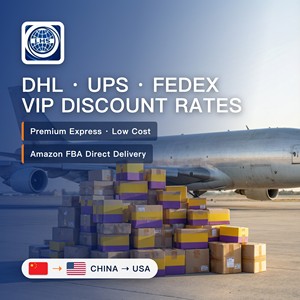
Controlled thermal buffer storage, clean-tech inventory sequencing, and bonded duty-deferment staging networks.
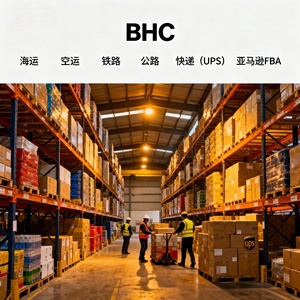
Dedicated hazardous precursor transport, ADR/IMDG certified vessels, active fire-suppression transport containers.
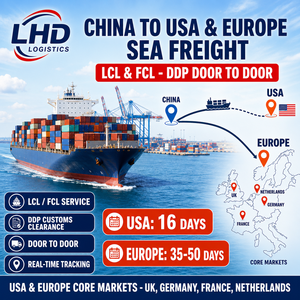
Turnkey heavy-lift project cargo, charter vessels for offshore wind turbines, and complete tariff engineering.

PVD-treated corrosion-proof hardware modules for marine floating solar (FPV) and offshore tracking frames.
Algorithmic HS Code classification for inverters, transformers, and renewable components with zero border hold-ups.
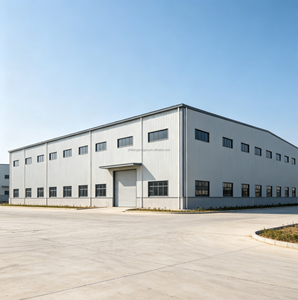
ISO 9001 certified large-span structural facilities suited for high-density battery energy storage system staging.
As international markets pivot toward carbon-neutral grid architectures, the export of renewable infrastructure—including high-capacity Battery Energy Storage Systems (BESS), crystalline photovoltaic wafers, and multi-megawatt nacelle structures—demands rigorous supply chain engineering. Headquartered within the technological nerve center of the Seoul Metropolitan Area, our operations connect South Korea's advanced tier-1 clean-energy manufacturing clusters directly to prime deployment landscapes across North America, Europe, Australia, and the Middle East.
Logistical operations originating in Seoul require deep integration with regional export gateways such as Incheon Port (KRINC), Busan Port (KRPUS), and Incheon International Airport (ICN). Given South Korea's stringent "Safety Standards for Energy Storage Systems" and international ADR/IMDG codes, exporters cannot rely on standard freight consolidation. They require bespoke hazard classification, mechanical shock isolation during transshipment, and automated customs filing to circumvent catastrophic supply bottlenecks.
Deploying specialized industrial equipment requires tailored logistics protocols designed around local environmental and infrastructure parameters:
Class 9 Hazmat compliance, active temperature-monitored refrigerated containers, dry-nitrogen blanket preservation, and real-time state-of-charge (SoC) management throughout intermodal transits.
Out-of-Gauge (OOG) breakbulk engineering, hydraulic multi-axle modular trailers, bespoke spreader beam fabrication, and shallow-draft vessel management for nacelles and 80m+ turbine blades.
Anti-vibration micro-crack prevention crating, automated pre-assembled racking containerization, and expedited customs staging via bonded consolidation centers.
South Korea's updated Renewable Energy 3020 Implementation Plan, combined with EU Carbon Border Adjustment Mechanisms (CBAM) and US Inflation Reduction Act (IRA) supply chain provisions, has fundamentally altered trade lanes. Our export teams leverage these systematic movements:
Combining four generations of heritage dating back to 1913 with modern AI dispatch and tier-1 customs clearance authority.
Tier-1 customs brokerage credentials ensuring priority green-lane status at destination ports in North America, the UK, Europe, and Asia-Pacific.
Dedicated transshipment offices across Manchester, the US, China, and the Middle East deliver synchronized door-to-door delivery without third-party handoff errors.
Bypassing standard booking brokerages to secure dedicated vessel allotments, zero container rolling, and predictable, transparent all-in pricing schedules.
Critical compliance, customs, and operational answers for engineers and supply chain directors sourcing out of Seoul.
Consult with our Seoul freight forwarding specialists today for multimodal route design, dangerous goods compliance reviews, and transparent project freight estimates.