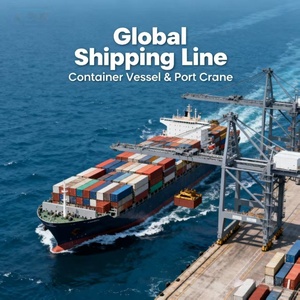

Engineered hardware, cold-chain preservation technology, and high-security freight handling architectures designed to secure cross-border transit from origin factories to Addis Ababa, Mojo, and regional industrial parks.

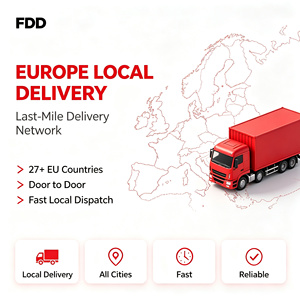

Combining four generations of global logistics leadership with dedicated East African corridor expertise, mitigating transit variance and optimizing landed procurement costs.
Strategic logistics engineering for landlocked economies: de-risking multimodal routing, optimizing container turnaround, and integrating inland dry port infrastructure.
Operating as an exporter and forwarding factory serving the Federal Democratic Republic of Ethiopia requires an acute understanding of the landlocked dynamics governed by the Djibouti Corridor, which handles upwards of 95% of the nation's import-export volume. Consignments bound for commercial enterprises in Addis Ababa, Hawassa, Bole Lemi, and Mekelle depend on hyper-coordinated sea-to-rail intermodal freight shifts. WTA's forwarding architecture leverages strategic berthing alignments at Doraleh Container Terminal (DCT) directly linking to the electrified Ethio-Djibouti Railway network, drastically compressing typical road-transit dwell times from 7–10 days down to under 24 hours to the Mojo Dry Port terminal.
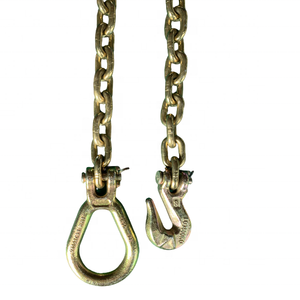
For high-turnover retail fast-moving consumer goods (FMCG), electrical hardware, and wholesale textile imports, container demurrage and storage penalties represent an existential drain on corporate working capital. By orchestrating pre-cleared electronic manifests and direct-to-rail lashing protocols using certified AS Standard G70 Transport Chains and heavy-duty load binders, industrial breakbulk and oversized factory machinery avoid catastrophic equipment failure on the rugged transitional terrains between coastal lowlands and the high Ethiopian plateau.
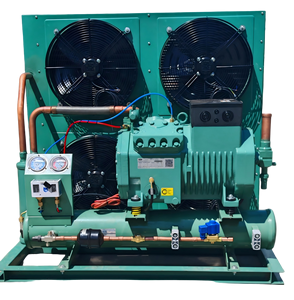
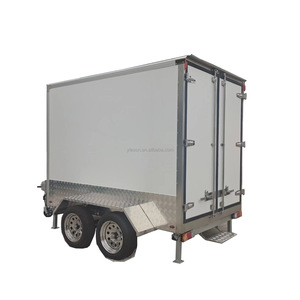
Ethiopia's ambitious economic transformation hinges on dual imperatives: exporting world-renowned horticultural and livestock commodities, and importing temperature-vulnerable pharmaceuticals, veterinary vaccines, and food ingredients. The deployment of advanced Industrial Cooling Units for Seafood and Meat Facilities alongside Portable Cold Storage Chiller Trailers allows exporters to maintain uninterrupted HACCP-grade cooling from harvest regions (such as Ziway and Oromia) to aircraft cargo holds at Addis Ababa Bole International Airport (ADD).
On the reverse inbound wholesale leg, specialized active temperature tracking guarantees that high-value retail provisions, biologics, and premium commodities maintain structural integrity against high ambient temperatures and unexpected border inspections along the maritime Gulf of Aden route.
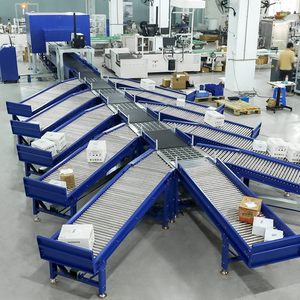
With Ethiopia's aggressive development of targeted Special Economic Zones and Industrial Parks—including Kilinto, Kombolcha, and Dire Dawa—manufacturing facilities require synchronous raw material feed lines. The integration of Automated Dynamic DWS Parcel Sorting Systems and Metal CNC Outsourcing enables factories to balance assembly pipelines without holding excessive inventory reserves. Inbound shipments managed under bonded warehouse storage regimes eliminate the requirement for upfront duty disbursements until goods transition into domestic retail circulation, substantially optimizing foreign currency allocation and cash flow.
Full integration with the Ethiopian Customs Commission's Electronic Single Window (ESW) system, reducing documentation holds and facilitating swift transition through inland bonded terminals.
High-tensile Grade 70 chaining and tie-down engineering ensures safe delivery of precision machinery across mountain gradients, protecting complex automated assembly systems.
End-to-end active sensor monitoring with cellular and satellite telematics, preserving critical margins for perishable consumables and strict shelf-life retail products.
How progressive wholesale enterprises, manufacturing exporters, and retail procurement groups are future-proofing their Horn of Africa supply lines.
While Djibouti remains the bedrock gateway, geopolitical initiatives are accelerating commercial diversification into the Berbera Corridor (Somaliland) and Kenya's LAPSSET infrastructure (Lamu Port-South Sudan-Ethiopia Transport). Savvy forwarders maintain fluid customs network alliances across multiple frontier posts to insulate buyers against single-route choke points.
As the African Continental Free Trade Area (AfCFTA) mechanisms mature, Ethiopia is transitioning from a tariff-insulated market into a vital cross-regional transit nexus. Modern wholesale distributors are using bonded distribution nodes to stage products destined for neighboring East African hubs without repeated cross-border taxation.
Legacy logistics operations in East Africa have historically struggled with visibility blindspots. Today, tier-one global operators integrate continuous GPS and automated sensor telematics, giving retail planners predictive arrivals down to individual SKU containers en route from international ports to Mojo and Gelan dry ports.
Established in 1913 by Ernest Sommer, WTA combines four generations of family-owned independence with world-spanning logistical scope and strict regulatory adherence.
Operating with Authorised Economic Operator (AEO) status and international customs licensing, our compliance infrastructure expedites multi-jurisdictional clearances, dramatically curbing risk of regulatory holds and port penalties across major shipping routes.
Every consignee gains complimentary access to WTA’s enterprise tracking cloud. Access live predictive arrival schedules, direct document centralization, automated delay anomaly forecasting, and auditable Scope 3 ESG carbon reporting directly from your command center.
Headquartered in the UK with dedicated direct operations across China, the United States, and the UAE (situated within 30 minutes of Jebel Ali Port), WTA bridges origin sourcing factories with regional African import distribution centers without intermediary confusion.
Essential regulatory, documentation, and operational answers addressing the specific realities of wholesale and retail freight transit into Ethiopia.
Commercial imports require a valid Import License registered under the Ministry of Trade and Regional Integration, an electronic import permit processed through the Ethiopian Electronic Single Window (eCSW), an authenticated Commercial Invoice and Packing List, a clean Bill of Lading (or Air Waybill), Certificate of Origin, and where mandatory, a Pre-Shipment Inspection Certificate (PSI) or Certificate of Conformity (CoC) verifying product standards under the Ethiopian Standards Agency (ESA).
Navigating foreign exchange regulations through commercial banks and the National Bank of Ethiopia requires strict precision. Shipping documents must mirror the L/C terms without a single discrepancy to prevent payment delays and customs clearance holds at the port of entry. Our freight forwarding teams coordinate closely with origin manufacturers to ensure that all bills of lading, consular documents, and weight certificates match bank instruments exactly.
Standard ocean transit from main Chinese base ports (such as Shanghai, Ningbo, or Shenzhen) to the Port of Djibouti averages 18 to 25 days. Port discharge, transshipment customs bonding, and rail loading via the Ethio-Djibouti line to Mojo Dry Port typically require an additional 4 to 8 days under optimized scheduling. Total door-to-terminal lead times normally land between 25 and 35 days, significantly outperforming conventional trucking routes.
Given the heavy demurrage liabilities incurred in hard currency at coastal ports, our proactive customs team begins document validation and manifest lodgment prior to ocean vessel arrival. By securing extended container free-time agreements (typically 14 to 21 days) directly with maritime carriers and pre-booking railway wagons, cargo moves swiftly onto the inland corridor, effectively avoiding costly storage charges.
Yes. Utilizing certified IATA and IMO Hazmat specialists, WTA oversees DGR Class 3, 5, and 8 chemical shipments, industrial raw materials, and heavy CNC factory assets. We deliver engineered heavy-haul lashing solutions (utilizing AS Standard G70 Transport Chains and custom flat-rack bracing) that meet all international safety regulations and withstand rigorous intermodal rail-road transitions.
Bonded warehouse consolidation enables importers to stage cargo at strategic staging hubs (such as Dubai Jebel Ali or Chinese export platforms) where smaller factory runs are consolidated into Full Container Loads (FCL). This reduces total freight overhead, protects cargo from multiple handling damage, and allows consignees to release consignments in phased batches matching domestic retail demand and fiscal capacity.
Whether you require full-containerload logistics, specialized cold-chain hardware, automated sorting integration, or turn-key licensed customs brokerage across the Djibouti corridor, our senior freight architects are ready to assist.