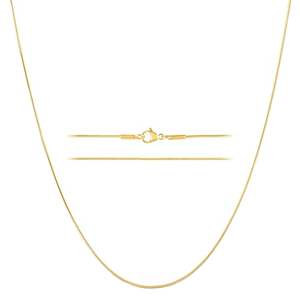

Explore cross-border cargo systems, specialized temperature-regulated containers, warehousing nodes, and accelerated air/sea freight conduits configured for seamless entry via Greek maritime and inland terminals.
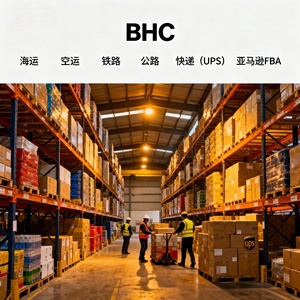
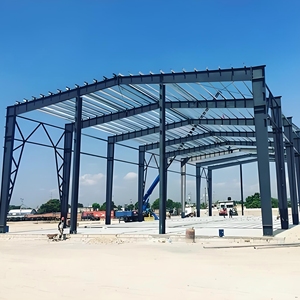
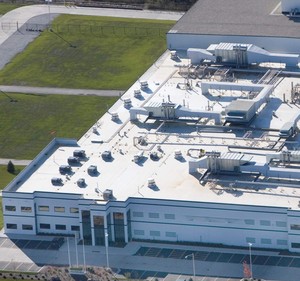
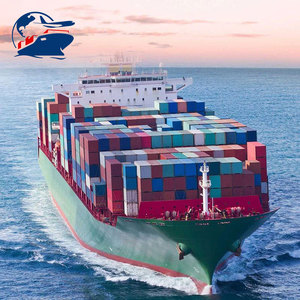
From the deep-water container terminals of Piraeus to the island archipelagos, examine how tailored forwarding frameworks overcome geographic fragmentation and strict EU regulatory compliance.
As the primary maritime gateway connecting Asian and Middle Eastern manufacturers with Southern Europe, the Port of Piraeus requires specialized FCL/LCL sorting. WTA coordinates bonded break-bulk and direct off-dock transshipment, eliminating demurrage fees and accelerating container release times for Athens-based retail distributors.
Thessaloniki serves as the northern engine for overland distribution into North Macedonia, Bulgaria, and the broader Balkan peninsula. Our integrated road and rail intermodal corridors provide high-velocity transit for heavy machinery, agro-industrial chains, and consumer appliances with automated unified EU transit declarations (T1/T2).
Supplying wholesale consumer goods to Crete, Rhodes, Corfu, and the Cyclades involves complex cabotage and inter-island roll-on/roll-off (Ro-Ro) ferry coordination. Our platform manages seasonal micro-fulfillment, ensuring retail merchants maintain buffer inventories throughout high-demand summer tourist surges without risk of stockouts.
The Greek commercial supply network requires structural dexterity. Retail enterprises handling fast-moving consumer goods (FMCG), luxury jewelry, apparel, and hardware cannot rely on generic logistics setups. Greek customs authorities enforce rigorous TARIC verification, electronic VAT validations (AADE myDATA compliance), and synchronized single administrative documents (SAD). WTA Group integrates end-to-end maritime clearing at Piraeus Pier II & III with secured inland bonded warehousing, guaranteeing zero-friction transitions from global export factories to retail display shelving.
A comprehensive examination of geopolitical rail routing, decarbonisation directives, digital trade architecture, and omnichannel retail inventory distribution in modern Greece.
Rather than offloading cargo for traditional Atlantic transit routes to Northern Europe, tier-one wholesale importers increasingly anchor at Piraeus, transferring cargo directly onto electrified rail routes heading into Central Europe. This reduces trans-shipment times by 7 to 11 days compared to Antwerp or Rotterdam corridors.
With the Mediterranean Sea designated as an Emission Control Area (ECA) and the introduction of the EU Emissions Trading System (EU ETS) surcharges on maritime freight, Greek importers require detailed carbon audits. WTA's Visibility Platform provides automated lane-by-lane CO2e reporting aligned with GLEC standards.
Disruptions along historical Red Sea routes have forced Greek wholesalers to reposition inventory away from pure Just-In-Time (JIT) dependencies toward agile safety stock models. This shift drives elevated demand for regional PEB-engineered steel hubs and bonded cold-storage complexes throughout Attica and Central Macedonia.
The Independent Authority for Public Revenue (AADE) has rapidly digitized Greek import clearance. Physical waybills have transitioned to mandatory real-time digital registration. Freight forwarding partners must have API integrations to feed customs documentation instantly into Greek tax administration networks to avoid release holds.
| Transport Dynamic | Ocean Freight (via Piraeus) | Air Cargo (Athens Eleftherios Venizelos) | Overland Intermodal (EU-Balkans) |
|---|---|---|---|
| Typical Transit (From Asia/Global) | 22 – 32 Days | 2 – 5 Days | 6 – 10 Days |
| Cost Profile | Lowest / High Volume | Premium / Value-Driven | Balanced / Regional |
| Greek Import Focus | Bulk wholesale consumer items, steel, retail inventory | Electronics, fashion launches, urgent pharma/spares | Direct factory delivery, cross-border Balkan trucking |
| Customs Node | Piraeus Customs Directorate (E-Customs) | ATH Cargo Customs Brokerage | Evzonoi / Promachonas Border Clearances |
Over a century of forwarding heritage combined with modern cloud visibility platforms, tier-one carrier allocations, and authorized customs brokerage representation.
Founded by Ernest Sommer in 1913, WTA Group provides stability, financial resilience, and long-term customer partnerships. Unlike algorithmic brokerages that fluctuate during crises, our established carrier relationships ensure committed container allocations and steady spot-rate protection across dynamic market cycles.
We do not outsource regulatory compliance. Our licensed customs specialists hold Authorized Economic Operator (AEO) and C-TPAT accreditations. We process complex customs classifications, bonded warehousing exemptions, inward processing relief, and cross-border fiscal representation across European entry gates.
Every WTA customer receives access to our visibility platform. Track container milestones live, anticipate port congestion through real-time predictive feeds, manage digital bills of lading, and generate lane-by-lane carbon auditing metrics directly from your desktop or mobile device.
Clear, direct answers regarding customs compliance, terminal free time, Incoterms, and multi-island logistics across the Greek retail and wholesale ecosystem.
Imports entering Piraeus from outside the European Union require an Electronic Single Administrative Document (SAD), valid Economic Operators Registration and Identification (EORI) registration, Commercial Invoices detailing TARIC classification, accurate packing lists, and maritime Bills of Lading. Furthermore, under current Greek tax frameworks, goods are registered in the Independent Authority for Public Revenue (AADE) system. WTA's licensed brokers manage the end-to-end electronic customs validation, accelerating release times to under 24-48 hours from vessel discharge.
Demurrage and detention fees often accumulate due to documentation mismatches or delayed container haulage pickup. WTA negotiates extended free time (typically 10 to 14 days) upfront with ocean carrier alliances. In addition, our Athens-Piraeus drayage partners coordinate pre-cleared terminal appointments through the WTA Visibility Platform, moving inbound containers directly into secure bonded off-dock facilities before port storage surcharges apply.
Yes. WTA runs dedicated cross-dock operations around Aspropyrgos (Attica) and Sindos (Thessaloniki). High-volume wholesale containers are destuffed, palletized, sort-segregated by regional destination, and routed via consolidated roll-on/roll-off (Ro-Ro) ferry links to Crete, Rhodes, and the Cycladic islands, maintaining continuous supply chains throughout peak tourist seasons.
While overseas exporters frequently offer CIF or CFR pricing to Piraeus, this frequently exposes the Greek importer to hidden destination fees, terminal handling markups, and high local administrative charges from unrecognized destination agents. We recommend Greek buyers purchase under FOB (Free on Board) or FCA (Free Carrier) terms. This gives you complete control over your freight rates, carrier selection, transit speed, and destination handling through WTA's transparent pricing architecture.
The WTA Visibility Platform is provided completely free of charge to all our active customers. Procurement directors and warehouse managers get access to real-time satellite GPS tracking of vessels, predictive delay alerts derived from global AIS port congestion trends, integrated document archiving (commercial invoices, certificates of origin, customs releases), and downloadable Scope 3 carbon emission reports for corporate sustainability audits.
Whether you require full container consolidation into Piraeus, expedited air delivery into Athens, or bonded multi-temperature warehousing across Attica, WTA provides century-tested freight solutions built around your exact commercial goals.
Inquire Now