
Reverse logistics demands higher mechanical agility than standard forward fulfillment. Explore our heavy-duty parcel sorting, multimodal heavy haulage, certified lashing hardware, cold chain reclamation pods, and pre-engineered depot infrastructure manufactured for seamless deployment across Victoria.
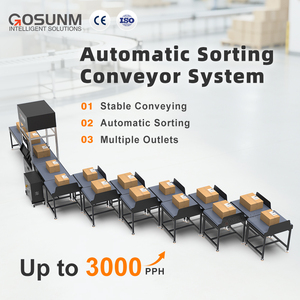
High-speed modular cross-belt and steerable-wheel sorting platforms designed to process non-uniform customer returns, polybags, and irregular e-commerce freight with real-time barcode scanning.
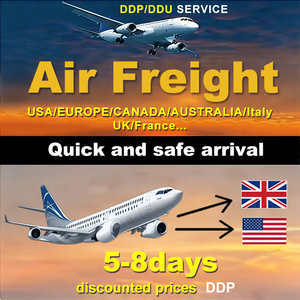
Factory-direct intermodal shipping and customs cleared reverse dispatch conduits for overseas OEM warranty returns, overseas RMA component repairs, and global consolidation.
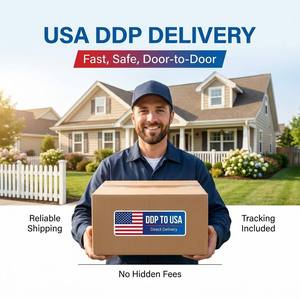
Dedicated transpacific and Oceania trade lanes delivering synchronized container transport for recalled inventory, surplus parts liquidations, and transnational redistribution networks.
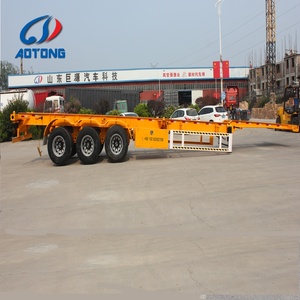
Heavy-duty skeletal semi-trailers and port transfer chassis engineered for Swanson Dock and Webb Dock movements, facilitating rapid container turns for bulk return recycling streams.
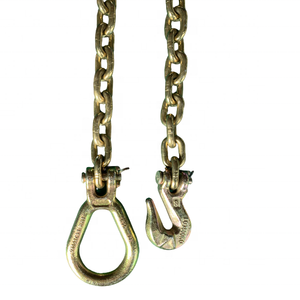
Certified high-tensile Grade 70 transport lashing chains manufactured strictly to AS/NZS 4344 standards. Essential for restraining machinery and decommissioned manufacturing assets.
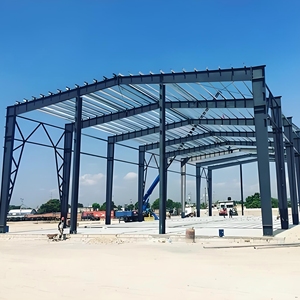
Pre-engineered building (PEB) structural steel distribution buildings tailored for rapid construction in Melbourne West. High-wind rated clear-span frames engineered for recycling operations.
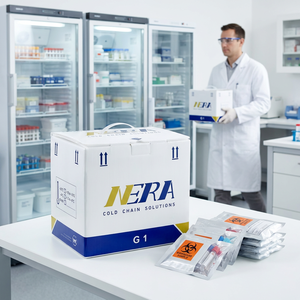
Validated isothermal parcel shippers engineered for sensitive biomedical reverse logistics, cold chain pharmacy returns, and certified clinical trial diagnostic sample recalls.
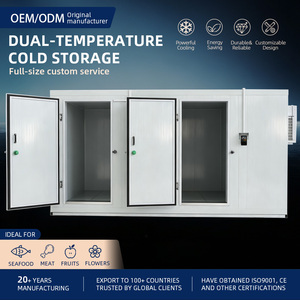
Plug-and-play dual-temperature mobile quarantine and sorting cold rooms. Ideal for perishable return consolidation, chemical stability testing, and regulatory food recalls across Victoria.
Melbourne holds Australia's highest concentration of industrial warehousing square footage, representing the epicenter of national freight throughput. Establishing a scalable reverse logistics workflow across Melbourne requires harmonizing dockside intermodal transfers with suburban sorting hubs.
The western logistics quadrant leverages flat topography, heavy multi-combination road access (B-doubles and A-doubles), and proximity to the M1 West Gate Freeway. Our large-span PEB steel warehouse plants and automatic parcel sorting conveyors are tailor-engineered for the expansive national returns hubs located along the Western Ring Road corridor.
Handling over 3.2 million TEU annually, the Port of Melbourne is critical for outbound scrap commodities, warranty return sea-containers, and empty pallet repatriation. Our skeletal drayage chassis fleets and certified AS G70 lashing hardware streamline turnaround time at wharf gates, eliminating punitive terminal detention and vehicle booking system (VBS) fines.
Victoria's precision engineering, automotive tier suppliers, and chemical manufacturing sectors rely on rapid closed-loop reverse recovery. We provide custom mobile cold containment rooms and returns sortation machinery that facilitate scrap segregation, reusable tote sterilization, and serialized high-value component diagnostics within hours of receipt.
Victorian legislative initiatives and rising operating costs are compelling supply chain managers to abandon ad-hoc returns in favor of automated, digitized reverse logistics factories.
With stringent state-level mandates targeting 80% diversion of all commercial and industrial waste from landfill by 2030, Melbourne enterprises must maintain end-to-end auditability over defective products, packaging streams, and e-waste. Modern reverse fulfillment facilities function as automated recovery factories, sorting usable components from recyclable raw materials using optical-enabled sorting belts.
Industrial land vacancy across prime Melbourne precincts like Tullamarine and Port Melbourne remains below historical averages, driving rents to record highs. In response, manufacturers are procuring high-span PEB steel buildings capable of supporting vertical multi-tier mezzanine reverse sorting lines, transforming every cubic meter into active triage and refurbishing zones.
Melbourne's renowned biomedical cluster—anchored by Parkville and Clayton—faces rigorous Therapeutic Goods Administration (TGA) scrutiny regarding cold-chain integrity during product recalls. Reversing the cold chain requires multi-chamber refrigerated transport, validated thermal phase change packaging, and real-time data loggers ensuring sub-zero stability throughout recovery transit.
| Operational Parameter | Traditional Forward Distribution | Factory-Grade Reverse Logistics (Melbourne) | Our Manufacturer-Direct Advantage |
|---|---|---|---|
| Packaging Consistency | Uniform boxes, standardized pallet footprints | Damaged cartons, polybags, mixed loose parcels | Omni-Sorting Cross-Belt Systems |
| Inbound Forecasting | Predictable scheduled factory shipments | Stochastic, multi-origin customer drop-offs | Live Platform Visibility & AI Routing |
| Port Drayage Velocity | High priority inbound clearing | Subject to demurrage, low priority clearance | Dedicated Port of Melbourne Chassis Fleet |
| Regulatory Scrutiny | Import tariff and Biosecurity (DAFF) | Victorian EPA Landfill Ban, TGA Recalls, AS 4344 | AS/NZS Certified Lashing & Cold Recalls |
| Facility Footprint | Horizontal high-throughput staging | Multi-tiered testing, cleaning, disassembly | Large Span PEB Mezzanine Warehousing |
Operating continuously since our founding in 1913 by Ernest Sommer, our group balances four generations of freight engineering heritage with modern digital supply chain technology. While commercial shipping agents treat reverse logistics as an afterthought, we engineer, manufacture, and orchestrate the specialized physical hardware and multimodal routing systems required to close the industrial loop.
Direct technical answers addressing Australian compliance standards, quarantine clearance, port access charges, and factory integration protocols.
In Australia, transport load restraint is strictly governed by the National Heavy Vehicle Regulator (NHVR) Load Restraint Guide. Transport chains must comply with AS/NZS 4344:2001 (Transport and tie down chains), demanding high-tensile Grade 70 alloy steel that is batch-tested for minimum breaking force and elongation. Our G70 lashing chains feature permanent traceability markings and clevis grab hooks with retaining pins.
For container transport, trailers and skeletal drayage chassis must meet Australian Design Rules (ADR), including ADR 38/05 for heavy trailer braking systems and Performance-Based Standards (PBS) certification where high-productivity multi-combination combinations operate along designated Victorian arterial corridors.
Goods returned from offshore markets into the Port of Melbourne or Melbourne Airport (Tullamarine) are subject to stringent biosecurity profiling by DAFF under the Biosecurity Act 2015. Used machinery, agricultural spares, and returns housed in organic or wooden packaging present heightened risk for Brown Marmorated Stink Bug (BMSB) and timber pests.
We provide licensed offshore heat treatment and methyl bromide fumigation certification prior to vessel embarkation. On arrival, our licensed customs brokers ensure fast processing through Approved Arrangements (AA) sites across Melbourne West, mitigating the risk of costly directed re-export or onshore decontamination holds.
Yes. Under the Australian Customs Act 1901 (Sections 162 and 168), Australian businesses can claim Customs Duty Drawback on goods that are exported because they do not conform to specifications, are defective, or are returned for factory remanufacturing. Furthermore, through our DDP and international reverse freight forwarding setups, we ensure compliant documentation is filed with the Australian Border Force (ABF) to verify serial number matching and proof of export, ensuring maximum liquidity reclamation on non-saleable inventories.
Traditional cross-belt sorting systems designed for pristine outbound parcels often jam when handling tape-heavy, irregularly sealed consumer return cartons or thin polythene return satchels. Our logistics warehouse sorting conveyors incorporate dynamic steerable-wheel deflectors, low-friction polymer belted induction modules, and multi-sided overhead omnidirectional barcode reading tunnels that capture compromised labels down to 15% readability.
This allows automated scanning, weight dimensioning, and segregation directly into designated quarantine, refurbishing, or liquidating gaylord bins without manual intervention.
Our custom pre-engineered steel warehouse buildings are calculated strictly in accordance with AS/NZS 1170.2 (Structural design actions - Wind actions) for Wind Region A (Melbourne metropolitan) and Wind Region B (coastal/exposed zones), supporting terrain category 2 and 3 environments with design wind speeds up to 45 m/s. All primary structural steel sections comply with AS 4100:2020.
Standard fabrication and direct-ship delivery lead times to Victorian industrial sites range from 8 to 12 weeks, providing significant cost and speed advantages compared to traditional poured-in-place concrete tilt-slab commercial developments.
Medical and vaccine returns cannot risk temperature excursions during transit back to testing hubs. Our NERA flexible cold-chain parcel shippers use advanced vacuum insulation panels (VIP) and engineered phase change materials (PCM) capable of maintaining 2°C to 8°C or deep frozen (-20°C) states for up to 96 hours without external electrical supply.
For warehouse storage, our factory-direct mobile cold rooms feature dual-compressor redundant systems, automatic failovers, and cloud-integrated data loggers compliant with TGA Good Distribution Practice (GDP) standards, ensuring complete temperature traceability throughout quarantine.
Whether you require a multi-belt parcel sorting installation in Truganina, certified AS G70 transport lashing fleets for wharf transfer, or end-to-end multimodal return freight management, our 110-year engineering heritage provides the certainty your supply chain demands.
Connect immediately with our technical engineering team for equipment specifications, custom CAD warehouse layouts, and port drayage rate schedules.
Get a Quote