
Engineered Ocean Freight Services & Specialized Logistics
Designed for industrial factories, infrastructure EPC contractors, and corporate exporters across the Kingdom of Saudi Arabia. Explore our verified multimodal and containerized freight catalog below.


110+
Years of Freight Forwarding Heritage
6,000+
Global Enterprise Clients Managed
679
Active International Trade Lanes
100%
FASAH & ZATCA Compliance Precision
Operational Architecture
Strategic Maritime Ingestion to Riyadh Dry Port
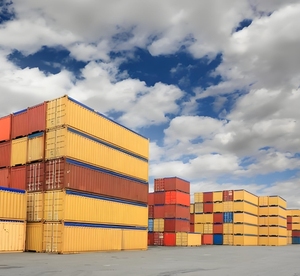
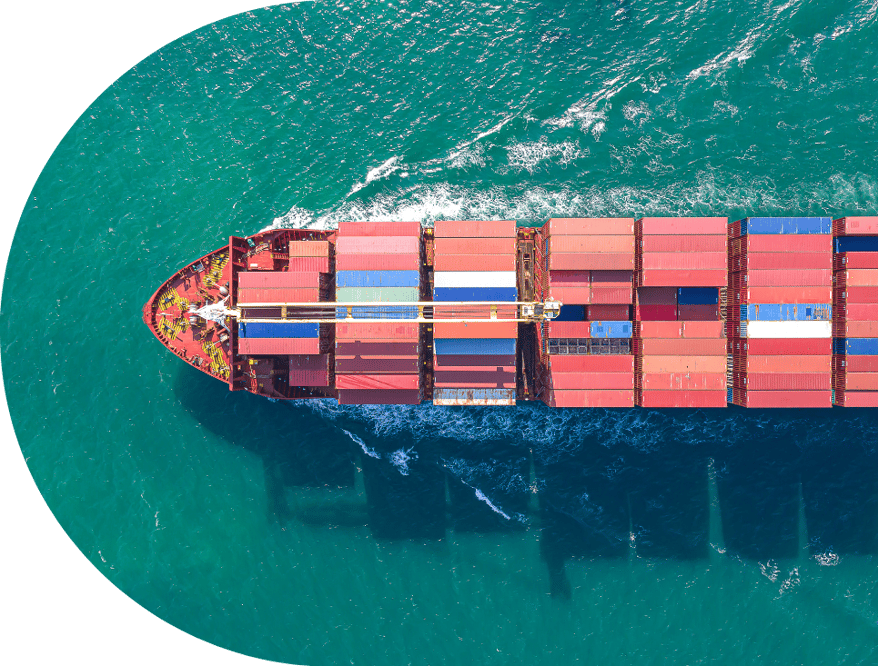
Managing ocean freight into the landlocked capital of Saudi Arabia demands sophisticated routing. We synchronize maritime container vessel calls at the Kingdom's coastal ports directly with Riyadh's inland logistics terminals.
Dammam to Riyadh Bonded Rail
Imports entering King Abdulaziz Port in Dammam are loaded directly onto Saudi Arabia Railways (SAR) freight trains, clearing customs natively at Riyadh Dry Port (RDP). This eliminates highway transit delays, reduces carbon footprint by up to 60%, and avoids seasonal demurrage.
Jeddah Islamic Port Corridor
For European, Mediterranean, and East Coast US factory suppliers, maritime discharge at Jeddah Islamic Port provides the fastest sea transit. Cargo is routed overland via bonded highway convoys straight to Riyadh 2nd & 3rd Industrial Cities under unified customs seals.
Cross-Border GCC Feeders
Optimizing secondary consolidation from UAE ports (Jebel Ali) into Riyadh. We operate daily bonded linehauls through the Batha border post with automated Bayan clearance, offering factory operators an agile middle ground between air freight and direct ocean calls.
Factory Integration
Localized Applications Across Riyadh Industrial Zones
Riyadh's industrial expansion under Saudi Vision 2030 requires deep supply chain integration. In Riyadh 2nd Industrial City and Sudair Industrial City, manufacturing facilities rely on scheduled ocean raw material deliveries to prevent production line shutdowns. Our maritime engineering handles heavy machinery imports, steel coils, specialized polymers, and electronic sub-assemblies.
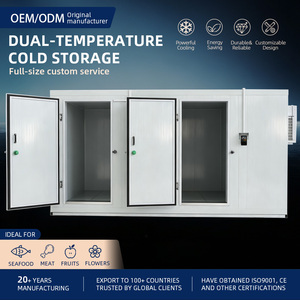
For non-oil exporters based in the capital, we provide localized outbound ocean freight stuffing, phytosanitary clearance, and Saber conformity verification. From the dry port to King Khalid International Airport bonded zones, WTA coordinates multi-tier logistics handling factory out-of-gauge (OOG) machinery, disassembled server racks, and controlled cold chain modules with absolute compliance.
Market Intelligence
Logistics Modernization Trends in Saudi Arabia
The National Transport and Logistics Strategy (NTLS) is transforming Riyadh into a top-10 global logistics powerhouse. Staying ahead requires understanding critical regulatory and infrastructure shifts.
FASAH & Digital Clearance
Physical paper processing is obsolete. With FASAH single-window integration and mandatory ZATCA e-invoicing, pre-arrival manifest filings allow over 70% of containers to receive customs release within two hours of port touchdown.
Integrated Special Logistics Zones
The creation of Special Integrated Logistics Zones (SILZ) adjacent to Riyadh provides unprecedented zero-corporate-tax environments for value-added assembly, sorting, and regional re-exportation across the wider Middle East.
Landbridge Rail Expansion
The upcoming Saudi Landbridge project connecting Jeddah directly to Riyadh by modern double-track freight rail will cut transshipment time across the Arabian peninsula from 4 days to less than 24 hours, redefining factory supply chain velocities.
Operational Comparison
Routing Matrix for Riyadh Factory Importers & Exporters
Evaluate transit lead times, risk parameters, and financial outlays across primary freight corridors serving the Riyadh industrial basin.
| Routing Corridors | Primary Gateways | Average Transit Times | Customs Checkpoint | Best Match For |
|---|---|---|---|---|
| East Coast Ocean + Rail | King Abdulaziz Port (Dammam) | 18–24 Days (from Asia) | Riyadh Dry Port (RDP) | Heavy industrial raw materials, bulky equipment, automated manufacturing lines |
| West Coast Ocean + Highway | Jeddah Islamic Port (JIP) | 22–28 Days (from Europe/US) | Jeddah Seaport Bonded | Fast-moving consumer products, retail stock, European machinery modules |
| Direct Multimodal DDP | Consolidated Global Hubs | 7–12 Days (Air-Sea Hybrid) | King Khalid Int'l Airport / Bonded | High-value telecommunication racks, precision tooling, urgent component replenishments |
| GCC Feeder Overland | Jebel Ali Port (UAE) / Batha | 3–5 Days Land Transit | Batha Border Station | LCL shipments, regional inventory transfers, fast-turnaround raw components |
Enterprise Advantage
Why Riyadh Importers Rely on WTA Logistics
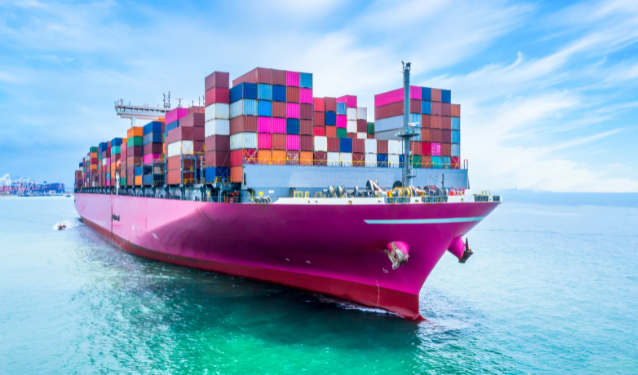
Founded in 1913 by Ernest Sommer, WTA brings over 110 years of family-owned operational integrity to global ocean logistics. With certified Authorised Economic Operator (AEO) status and international offices spanning the UK, USA, China, and the UAE, we bridge factory floors directly to Middle East job sites.
Every shipment is backed by our proprietary digital visibility platform, providing 24/7 telemetry, automated ETA predictions, ESG carbon calculations, and centralized document repositories. We eliminate hidden port demurrage fees through proactive carrier container management, transparent THC billing, and in-depth understanding of Saudi customs laws.
Procurement Guidance
Frequently Asked Questions: Sea Freight in Riyadh
Clear, definitive answers to the most common challenges faced by logistics managers, factory owners, and procurement directors trading in Saudi Arabia.
What is the standard routing for sea freight bound for Riyadh factories?
Since Riyadh is inland, ocean containers typically discharge at either King Abdulaziz Port in Dammam (Eastern Province) or Jeddah Islamic Port (Western Province). For cargo originating in Asia, Dammam is preferred; containers are transferred under bonded rail directly to the Riyadh Dry Port (RDP) for local clearance. For shipments from Europe or the Americas, Jeddah is frequently selected, followed by bonded road transport into Riyadh's industrial districts.
How do Saber regulations and SASO standards affect factory sea freight imports?
Every regulated imported product entering the Kingdom must obtain a Product Certificate of Conformity (PCoC) and a Shipment Certificate of Conformity (SCoC) via the electronic Saber platform before ocean bill of lading release. Non-compliance results in cargo rejections at Dammam or Jeddah, heavy port fines, and mandatory return shipments. WTA verifies all HS code classifications and Saber certificates prior to vessel departure to guarantee immediate customs clearance.
How can factory exporters in Riyadh avoid exorbitant demurrage and detention charges?
Demurrage occurs when containers sit uncleared inside seaport or dry port yards past allotted free time, while detention incurs costs when empty boxes are returned late to shipping line depots. We mitigate this by negotiating 14 to 21 free days upfront with ocean carriers, executing pre-clearance on the FASAH portal prior to vessel berthing, and managing our own local drayage fleet between Riyadh Dry Port and factory premises.
Can WTA handle out-of-gauge (OOG) factory machinery and hazardous (DG) chemical cargo?
Yes. We specialize in flat-rack and open-top container shipping for oversized industrial machinery, alongside fully certified IMO/IMDG hazmat shipping for industrial chemicals (Classes 3, 5, 8, and 9). Our technical engineers handle specialized heavy-lift road permits, convoy escorts across Saudi highways, and safe offloading inside Riyadh production plants.
What documents are mandatory for commercial sea freight customs clearance in Saudi Arabia?
Standard documentation required by ZATCA (Zakat, Tax and Customs Authority) includes the Ocean Bill of Lading, Commercial Invoice (attested or electronically validated with QR codes), Detailed Packing List, Certificate of Origin (attested by local chambers of commerce), and the active Saber SCoC. Additional requirements apply for food, cosmetics (SFDA approval), and telecommunications equipment (CITC approval).
Transform Your Sea Freight Operations in Riyadh
Connect with our senior ocean logistics directors to design a custom routing matrix, secure tier-one shipping line vessel allocations, and optimize your Saudi customs clearance times.