Precision-engineered material consolidation and global multimodal shipping programs mapped to European customs points of entry, minimizing accessorial charges and demurrages.
A rigorous examination of accessorial freight cost structures, carrier tariff mechanisms, and strategic remediation frameworks within the Dutch maritime corridor.
In modern containerized supply chains, the baseline Ocean Freight rate (Base Ocean Freight - BOF) represents merely the visible tip of an expansive fiscal iceberg. For corporate enterprises importing and exporting via the Netherlands—principally through the Port of Rotterdam, the Port of Amsterdam, and inland maritime corridors along the Rhine-Waal axis—accessorial fees, emergency risk premiums, and regulatory surcharges frequently account for 35% to 62% of the aggregate landed transportation invoice. Unmitigated surcharge volatility introduces unhedged margin leakage, distorts inventory valuation, and creates operational gridlock at European container terminals.
Demurrage occurs when import containers dwell within terminal grounds beyond contracted free time; Detention penalizes holding equipment outside the gate. At major Rotterdam hubs like Maasvlakte I & II (APM Terminals, ECT Delta), standard carrier free periods have contracted to 3–5 days, triggering daily escalations up to €185/TEU if customs inspections or chassis shortages occur.
Fluctuating energy markets drive dynamic Bunker Adjustment Factors (BAF). Furthermore, under Directive (EU) 2023/959, the maritime sector is formally integrated into the European Union Emissions Trading System (EU ETS). Ocean vessels calling at Dutch ports now incur emissions surcharges per TEU that fluctuate alongside European Union Allowances (EUA) spot pricing.
Hinterland barging connecting Rotterdam to Duisburg and Upper Rhine destinations is subject to the Kleinwasserzuschlag (KWZ)—a tiered Low-Water Surcharge enforced when Kaub gauge water levels drop. Simultaneously, inland port truck waiting time fees and peak gate surcharges compromise operating predictability without algorithmic routing.
A systematic operational roadmap designed for procurement heads, supply chain managers, and Dutch freight forwarders to audit and preempt billing discrepancies.
| Surcharge Identifier | Trigger & Calculation Basis | Local Netherlands Impact | Financial Exposure | Proactive Defense Strategy |
|---|---|---|---|---|
| EU ETS (Maritime Carbon) | Directive 2003/87/EC as amended. Calculated per TEU based on vessel fuel burn inside EU waters. | Rotterdam is Europe’s primary discharge port; 100% of intra-EU and 50% of inbound extra-EU journeys taxed. | €22 – €65 / TEU | Pre-auditing carrier bunker carbon formulas, indexing contracts directly against official EEX EUA auction prices. |
| Demurrage & Detention (D&D) | Exceeding standard equipment or terminal quay free time (typically after day 4 or 5 post-discharge). | Rotterdam Maasvlakte terminal congestion, rail blockages on the Betuweroute, and bonded customs holds. | €75 – €185 / Day / Box | Securing pre-negotiated 14–21 combined extended free-days upfront; automated EDI notification via Portbase. |
| Low-Water Surcharge (KWZ) | Rhine River water depth at key monitoring stations (e.g., Kaub, Duisburg-Ruhrort) restricting barge draft. | Disrupts barge feeder connections between Rotterdam/Amsterdam and inland German/Swiss industrial corridors. | €80 – €420 / TEU | Multi-modal rail diversion switching via the Betuwe line or dynamic pre-booked road drayage corridors. |
| THC (Terminal Handling) | Stevedoring, crane moves, chassis mounting, and container ground handling within container yards. | Standardized local terminal rates in Rotterdam; often marked up by intermediaries with opaque administrative fees. | €190 – €265 / Container | Direct Carrier Contract billing, strictly audited against unbundled port terminal operator baseline tariffs. |
| Peak Season (PSS) & GRI | General Rate Increases applied unilaterally during seasonal demand surges (Q3/Q4 retail, pre-CNY). | Directly inflates landed cost of retail merchandise, solar components, and consumer manufacturing stock. | €450 – €1,800 / FEU | Volume-backed named-account contracts (NAC) with fixed surcharge indexing and 60-day price collars. |
| Customs Scan & Inspection | Douane (Dutch Customs) risk-engine selection for physical verification, X-ray scanning, or chemical gas testing. | Targeting bulk chemical shipments (PG/DPG), food perishables, and electronic hardware imports. | €150 – €650 / Container | Authorized Economic Operator (AEO-F) certified forwarding, pre-cleared electronic manifests, and gas-free certificates. |
Real-world integration models illustrating how tailored logistics engineering shields major Dutch industrial sectors from compounding surcharges.
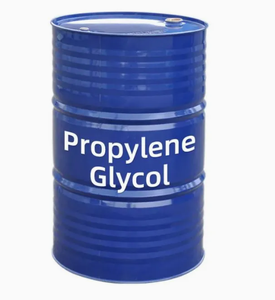
For industrial chemical consignments such as Food Grade DPG/PG Liquid Solvents shipped to Botlek, Europoort, and Moerdijk chemical clusters, demurrage occurs rapidly when liquid discharge is delayed by tank storage unavailability. WTA Group integrates ISO-tank dedicated chassis and ADR bonded transport, mitigating chemical demurrage risk and hazardous substance terminal storage multipliers.
The Netherlands serves as Europe’s premier hub for renewable infrastructure. High-volume inflows of Solar PV Inverters and clean energy panels bound for European Distribution Centers (EDCs) in Tilburg, Venlo, and Breda are vulnerable to severe detention penalties if port drayage appointment slots falter. Our direct Maasvlakte-to-rail shuttles circumvent road gate congestion and eliminate chassis-split fees.
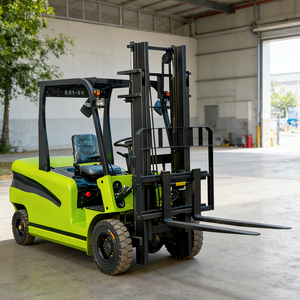
Imports of 1-2 Ton Electric Forklifts and warehouse handling machinery require specialized out-of-gauge (OOG) or flat-rack stowage. Shippers routinely incur heavy-lift surcharges and unexpected terminal quay storage markups. Through upfront crane schedule booking and bonded transit corridors, our engineering team neutralizes unverified terminal handling additions.
The Dutch agri-logistics ecosystem centered around the Westland region requires uninterrupted thermal integrity. Cold chain reefer shipping carries substantial ancillary costs: reefer daily plug-in electricity charges, reefer monitoring surcharges, and emergency veterinary inspection fees. Our direct cold-store cross-docking protocol guarantees 24-hour dwell limits, shielding clients from runaway daily electrical fees.
Cross-border distributors utilizing Bonded Consolidation Warehouses in Schiphol Logistics Park or Rotterdam Maasvlakte avoid dual VAT liability and import duty pre-payments. WTA Group manages Customs Article 23 import VAT deferment licenses in the Netherlands, shielding importers from non-compliance fines and carrier customs-clearance delay surcharges.
Deploying Pre-Engineered Prefab Steel Warehouses across European trade zones involves breakbulk and multi-container project shipping. Surcharge exposure spans bunker escalation, destination wharfage, and terminal security (ISPS) surcharges. WTA Group structures project cargo charter parties with locked-in stevedoring agreements and transparent all-inclusive tariffs.
Anticipating structural regulatory shifts, algorithmic digitization, and hydrological variability across Dutch maritime supply chains through 2030.
Beginning 2025, FuelEU Maritime mandates reductions in the greenhouse gas intensity of energy used on-board ships. Paired with 100% full compliance under the EU ETS by 2026, shipping lines are shifting from unified BAF to granular, multi-tiered green fuel surcharges that demand rigorous independent validation.
The Port Community System (Portbase) in Rotterdam and Amsterdam is phasing in mandatory automated verification for import releases, including the Secure Chain (Veilige Keten). Forwarders without API-native system integration face physical release holds, demurrage escalation, and pin-code theft surcharges.
Climate shifts have intensified low-water events along the German-Dutch inland waterway network. Low-water surcharges (KWZ) have transformed from infrequent seasonal anomalies into critical annual operational hazards, forcing cargo shippers to establish multimodal failovers via electric rail corridors.
The Municipality of Rotterdam and Port Authority have implemented clean inland transit incentives. Drayage carriers are introducing green equipment replacement surcharges to finance battery-electric trucks, necessitating forwarder consolidation of short-haul container drayage to optimize asset utilization.
Combining 110+ years of institutional freight forwarding authority with modern algorithmic visibility and tier-one carrier leverage.
Founded in 1913 by Ernest Sommer and sustained across four generations of hands-on leadership, WTA Group combines more than a century of logistics wisdom with financial resilience. We have steered client cargo safely through world trade disruptions, regulatory transformations, and market cycles.
Every WTA customer receives complementary access to our cloud-native visibility platform and mobile interface. Live vessel satellite tracking, predictive AI delay detection, automated demurrage countdown alerts, and instant carbon ESG reporting keep logistics teams in absolute control of container flow.
Operating across 7 owned international offices in the UK, USA, China, and UAE, supported by vetted carrier agreements covering 679 trade lanes. Our direct Benelux gateway partnerships ensure rapid access to the Port of Rotterdam, Schiphol Airport, and inland intermodal dry ports.
Our in-house licensed customs brokers hold prestigious Authorized Economic Operator (AEO-F) and C-TPAT security accreditations. We facilitate expedited Dutch customs clearance, manage fiscal representation, and systematically eliminate physical inspection delays that trigger terminal penalties.
We do not simply pass carrier accessorial fees through to your balance sheet. Our algorithmic billing audit platform validates every carrier invoice against contracted tariffs, actual port log timestamps, and official bunker indices, recovering millions of Euros in miscalculated surcharges annually.
Boasting an industry-leading Net Promoter Score (NPS) of 77%, with 85% of customers rating our freight support 8/10 or higher. We build transparent partnerships with itemized pricing, eliminating hidden agency surcharges and guaranteeing cost integrity on every shipment.
In-depth responses to critical technical queries routinely presented by procurement directors, Dutch logistics managers, and European supply chain officers.
While often conflated on carrier invoices, these three charges represent distinct operational penalties:
WTA Group negotiates unified "Combined Free Time" (demurrage + detention merged into a single pool of 14–21 days) to prevent premature penalty triggers during inland transport across the Netherlands and Germany.
Since January 1, 2024, ocean carriers calling at EU ports must surrender allowances under the European Union Emissions Trading System. For ships moving cargo into Rotterdam from Asia or the Americas, 50% of voyage emissions are subject to EU ETS, while intra-European feeder traffic is subject to 100% of emissions.
Carriers pass this cost through via variable ETS surcharges (typically €20 to €60 per TEU depending on carrier efficiency, routing, and EUA carbon spot prices). WTA Group regularly audits these surcharge filings against actual vessel fuel-burn calculations to ensure our clients are not billed inflated overhead margins disguised as statutory environmental levies.
The Kleinwasserzuschlag (KWZ) is triggered automatically when water depth gauges at Kaub or Ruhrort drop below predetermined thresholds, limiting the cargo intake of inland barges along the Rhine. When water drops significantly, KWZ surcharges can exceed €300/TEU.
To insulate our clients, WTA Group employs a predictive hydrological tracking model. When water levels decline toward critical benchmarks, we activate pre-arranged rail bypass capacity along the Betuweroute or pre-stage dedicated road drayage fleets, avoiding spot-market rate spikes and intermodal barge stranding.
Yes. Under the Netherlands' Article 23 import VAT deferment system, non-Dutch and domestic businesses can defer payment of 21% import VAT to their periodic VAT returns rather than paying cash upon terminal clearance. Without Article 23 licensing, VAT disputes or payment processing delays frequently result in customs holds on the quay, immediately generating catastrophic demurrage and storage penalties.
As an AEO-certified licensed broker, WTA Group provides fiscal representation, enabling immediate customs release and container departure without financial bottlenecks.
The Rotterdam Secure Chain is a mandatory digital security architecture implemented by the Port Authority, Customs, and terminal operators via Portbase. It replaces insecure container collection PIN codes with closed, authenticated digital authorization chains between cargo owners, freight forwarders, and hauliers.
Forwarders lacking direct API compatibility with the Secure Chain suffer authorization rejections at the terminal gate, leaving trucks idle and quickly racking up truck waiting time fees and container demurrage. WTA Group is fully integrated into the Secure Chain, guaranteeing automated, encrypted collection rights for seamless terminal drayage.

Partner with WTA Group to conduct an immediate, non-obligatory audit of your container shipping lanes, terminal dwell periods, and accessorial surcharge invoices across the Port of Rotterdam and beyond.