DG Multimodal

Integrating turnkey freight consolidation systems, heavy chemical handling units, and automated dock equipment engineered to fulfill the stringent throughput requirements of Singaporean bonded warehouses and regional hubs.
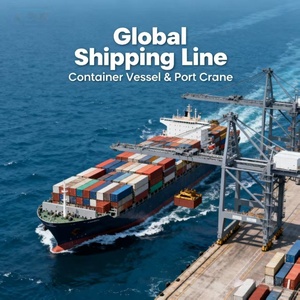
Singapore occupies an unparalleled node in international commerce, standing as the preeminent transshipment capital of Southeast Asia and anchoring the convergence of major maritime shipping lanes through the Malacca Strait. For manufacturing enterprises and factory procurement directors operating within Singapore or distributing into the ASEAN perimeter, supply chain governance cannot rely on generic, commoditized freight forwarding. The local industrial ecosystem—spanning precision semiconductor fabrication, biomedical formulation in Tuas, Jurong Island downstream hydrocarbon processing, and aerospace refurbishment in Seletar—demands an integrated orchestration of physical logistics assets, automated loading hardware, and micro-calibrated digital visibility.
Operating within Singapore requires acute technical alignment with regulatory and infrastructure benchmarks established by the Maritime and Port Authority of Singapore (MPA), Singapore Customs, and the Economic Development Board (EDB). As manufacturing entities offshore labor-intensive fabrication while retaining high-value testing, final assembly, and regional distribution within Singapore, factories require robust supply lines connecting Pearl River Delta and Yangtze River Delta production powerhouses directly to PSA terminals and Changi Airfreight Centre. High capital utilization rates in Singaporean industrial facilities leave zero tolerance for cargo staging bottlenecks, container demurrage penalties, or misclassified customs submissions under the national TradeNet platform.
Our operational architecture merges hardware delivery—such as high-flexibility container unloading conveyors and UN-certified bulk liquid intermediate bulk containers (IBCs)—with multimodal ocean (FCL/LCL), airfreight express, and heavy transport engineering. This comprehensive integration ensures that multinational corporations and specialized local original equipment manufacturers (OEMs) can secure deterministic replenishment cycles, comply fully with Singapore Civil Defence Force (SCDF) hazardous materials storage limits, and maximize fiscal efficiency under Singapore Free Trade Zone (FTZ) regimes.
Direct weekly scheduled sailings and air charters linking industrial clusters across China directly to PSA Singapore terminals, facilitating rapid transition between ocean containers, bonded cross-dock facilities, and regional feeder vessels.
Seamless electronic processing for Import Declarations, Major Exporter Scheme (MES) management, and Strategic Goods Control regulations, avoiding costly port dwell penalties and physical cargo inspections.
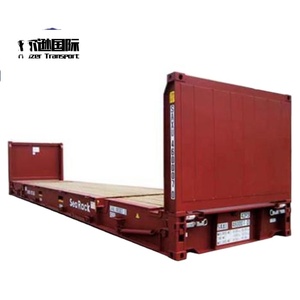
Deployment of high-capacity container flatbed transport systems, flexible loading conveyors, and specialized liquid storage tanks tailored for cleanroom logistics, automated high-density rack staging, and round-the-clock factory operations.
Singapore’s industrial landscape is organized into distinct, specialized manufacturing zones, each governed by precise handling criteria, stringent environmental controls, and unique urban-planning frameworks established by the JTC Corporation. Generic freight operations fail when confronted with the localized micro-logistics of these specialized industrial enclaves. Below is an engineering analysis of how our integrated hardware and multimodal forwarding execute within Singapore's key manufacturing sectors.
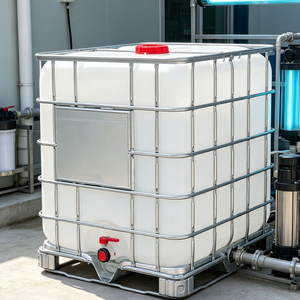
A. Jurong Island Petrochemical & Specialty Chemical Complexes: Jurong Island is one of the world's top ten chemical hubs. Transporting specialty precursors, catalysts, and downstream resins requires strict adherence to Singapore Civil Defence Force (SCDF) hazardous materials regulations and National Environment Agency (NEA) emissions tracking. Our Class 3, 5, and 8 chemical transportation services incorporate UN-rated 500-liter and 1000-liter high-density polyethylene (HDPE) IBC bulk liquid containers. These units feature reinforced steel exowindows engineered to prevent chemical sloshing and thermal rupture during ocean transit across the South China Sea. Furthermore, our direct DDP delivery protocols coordinate dangerous goods (DG) escort vehicles through the Jurong Island Checkpoint, ensuring zero-delay integration with plant production schedules.
B. Tuas Biomedical Park & Advanced Pharmaceutical Manufacturing: Tuas Biomedical Park hosts production facilities for leading global biopharmaceutical manufacturers. Supplying high-value active pharmaceutical ingredients (APIs) and sterile single-use packaging lines demands temperature-controlled container transport and rapid deconsolidation. Our multimodal dry container services and certified air express options offer continuous data-logged temperature profiles and direct transfer from Changi Airport to Tuas cleanroom airlocks within four hours of runway touchdown, preventing cold-chain deviation and ensuring complete regulatory auditability.
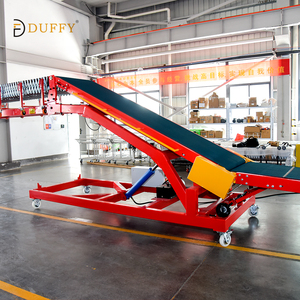
C. Cleanroom Logistics in Woodlands, Tampines, and Ang Mo Kio Semiconductor Corridors: Semiconductor fabrication facilities (fabs) operating in Woodlands and Tampines run continuous automated surface-mount and silicon processing operations. Unloading high-density electronic sub-assemblies requires anti-static, vibration-isolated container loading conveyor systems. Duffy dynamic truck loading conveyors can be rapidly positioned inside factory receiving bays, drastically reducing manual handling shocks and lowering physical unboxing times by 62%. This prevents static-induced micro-fractures in wafer carriers and printed circuit board (PCB) magazines sourced from primary assembly lines across Shenzhen and Suzhou.
D. Regional Spare Parts & Automotive Assembly via Tuas Mega Port: With the development of the Tuas Mega Port—slated to achieve an annual throughput capacity of 65 million TEUs upon full completion—Singapore serves as the central orchestration node for aftermarket automotive components and electric vehicle (EV) battery packs across the ASEAN market. Our vehicle container racks and flatbed container transport fixtures allow secure double-stacking and rollover containment within standard 40ft High Cube containers. This setup maximizes cubic volume utilization and cuts per-unit maritime freight expenses by up to 28% compared to conventional breakbulk methods.
| Transport Modality / Hardware | Typical Singapore Transit Corridors | Lead-Time Determinism | Regulatory / Handling Framework | Optimal Singapore Manufacturing Application |
|---|---|---|---|---|
| Direct Multimodal FCL Ocean | Shanghai / Ningbo / Shenzhen → PSA Tuas Port | 5 – 8 Days Port-to-Port | TradeNet Inward Declaration, MES GST Suspension | Heavy raw materials, metal coils, large production machinery, plastic resins |
| Specialty Hazmat Chemical FCL/LCL | Qingdao / Guangzhou → Jurong Island Terminal | 7 – 11 Days Transit | SCDF Petroleum & Flammable Materials License, NEA DG permit | Industrial catalysts, surface coating solvents, specialty polymers, battery electrolytes |
| Consolidated Air Cargo Express | Shenzhen / Hong Kong → Changi Airport (SIN) | 24 – 48 Hours Runway-to-Bay | IATA DGR, CAAS Air Transport Security, Secure Trade Partnership | High-value fab spares, medical diagnostics, critical aerospace components, urgent line-down parts |
| Flexible Unloading Conveyor Systems | Factory Receiving Dock Installation (Jurong/Tuas) | Immediate Dock Deployment | MOM Workplace Safety and Health (WSH) Guidelines | High-mix low-volume carton cross-docking, high-throughput e-commerce fulfilment hubs |
| Engineered Flatbed & Vehicle Racks | Cross-Border Intermodal → PSA Free Trade Zone | Synchronized Rolling Stock | LTA Axle Load Specifications, ISO 1496/1 Container Restraint | EV fleet deployment, oversized CNC machining centers, regional heavy utility vehicle staging |
Procurement directors and factory operators in Singapore face an evolving operational ecosystem characterized by four structural trends: digital customs clearance, decarbonization imperatives, port consolidation, and multi-tier regional diversification.
The Tuas Port Consolidation & Autonomous Yard Ecosystem: As maritime handling progressively consolidates from Tanjong Pagar, Keppel, and Brani terminals to the fully automated Tuas Mega Port, terminal haulage and container turnaround times are undergoing substantial changes. Tuas utilizes automated guided vehicles (AGVs), automated rail-mounted gantry cranes, and artificial-intelligence-driven stowage algorithms. To optimize supply chains, factories must employ container monitoring equipment and forwarders with direct API connections to PSA’s Portnet. This integration allows automated real-time dispatching, container release synchronization, and the elimination of expensive off-dock detention fees.
The Singapore Green Plan 2030 & Scope 3 Decarbonization: Under the Singapore Green Plan 2030, corporate sustainability reporting directives are expanding across all SGX-listed entities and their tier-one supply chains. Procurement operations can no longer rely on unmeasured transport networks. WTA Group’s real-time visibility platform directly resolves this challenge by delivering micro-level Scope 3 carbon emission calculations per shipment, lane, and freight mode. By analyzing precise vessel propulsion telemetry and routing profiles, factory logistics planners can easily document carbon-offset parameters, optimize payload densities via modular container racks, and achieve corporate ESG compliance.
Trade Automation via Singapore Single Window & GST Recalibration: With Singapore’s Goods and Services Tax (GST) standing at 9%, supply chain teams must safeguard their corporate liquidity by leveraging statutory tax suspension programs. Utilizing schemes such as the Major Exporter Scheme (MES), Approved Contract Manufacturer and Trader (ACMT) Scheme, and Zero-GST Warehouses inside PSA or ALPS (Airport Logistics Park of Singapore) FTZs prevents working capital from being tied up in upfront tax outlays during inventory staging. Our licensed customs specialists manage every TradeNet customs entry with item-level Harmonized System (HS) code classification, guaranteeing regulatory compliance and eliminating unnecessary import charges.
China-plus-One Sourcing & Regional ASEAN Cross-Docking: Rising geopolitical complexities and supply line vulnerabilities have driven Singaporean manufacturers to build resilient dual-sourcing strategies. Enterprises frequently route raw materials and semi-finished components from factories across central and southern China into Singapore for precision quality control, packaging, and testing, followed by secondary distribution to industrial assembly centers in Malaysia (via the Johor-Singapore Causeway and Second Link), Indonesia (Batam free trade zone), and Vietnam. Our multimodal and FCL consolidation networks are purpose-built to maintain high operational continuity and lead-time determinism across this regional matrix.
Combining over a century of logistics heritage with modern data-driven supply chain platforms and specialized industrial handling hardware.
Founded in 1913 by Ernest Sommer and continuously developed across four generations, WTA Group provides deep institutional knowledge, robust carrier alliances, and time-tested resilience across all major international trade routes.
Every client gains comprehensive access to our proprietary visibility platform and mobile application, delivering automated milestone tracking, dynamic delay predictions from live ocean feeds, and integrated document retrieval.
Our licensed international customs brokerage teams hold top security accreditations worldwide, guaranteeing smooth customs processing, fast-tracked clearances, and reduced physical inspection frequencies.
Equipped with certified dangerous goods handling personnel across China and Southeast Asia, we maintain strict safety compliance across Classes 2, 3, 4, 5, 6, 8, and 9 for air express and maritime ocean carriage.
Beyond traditional freight forwarding, we engineer and supply physical logistics infrastructure—including Duffy dynamic loading conveyors, flatbed transport racks, and bulk storage solutions—to drive factory automation.
We eliminate unexpected destination surcharges, demurrage fees, and hidden handling costs through transparent, all-in pricing structures designed specifically around corporate procurement requirements.
Clear, practical answers to technical and regulatory questions frequently encountered by procurement managers, operations directors, and logistics buyers in Singapore.
Goods imported into Singapore are subject to a 9% GST calculated on the CIF (Cost, Insurance, and Freight) value plus all applicable duties. However, manufacturing enterprises and high-volume exporters can minimize cash-flow impacts by utilizing the Major Exporter Scheme (MES) administered by the Inland Revenue Authority of Singapore (IRAS). Under the MES, approved entities can import non-dutiable capital equipment and production materials with GST suspended at the point of import. Alternatively, by routing inventory through a licensed Zero-GST Warehouse or an authorized Free Trade Zone (FTZ) located within the Port of Singapore Authority (PSA) or Changi Airfreight Centre, payment of import GST is legally deferred until the cargo is officially cleared into the domestic customs territory. Our licensed TradeNet clearance teams prepare and manage every customs entry to guarantee strict regulatory adherence and prevent cash flow disruptions.
Importing hazardous chemical substances—specifically Class 3 flammable liquids, Class 5 oxidizers, and Class 8 corrosives—requires rigorous regulatory approval across multiple statutory bodies prior to vessel arrival in Singapore waters. Importers must supply a 16-point Safety Data Sheet (SDS) compliant with the Globally Harmonized System (GHS), a Dangerous Goods Declaration (DGD), a valid Packing Certificate, and appropriate UN-stamped packaging specifications. Cargo routed to Jurong Island or Tuas storage depots must be declared through TradeNet to obtain approval from the Singapore Civil Defence Force (SCDF) for flammable products, the National Environment Agency (NEA) for controlled hazardous chemicals, and the Singapore Police Force (SPF) for explosive precursors. Transportation from terminal quays to recipient sites must be performed exclusively by SCDF-licensed transport companies following authorized dangerous goods transit corridors during designated transport hours.
Because the fully automated PSA Tuas Port operates on precise container-handling schedules, delays in container pickup or empty turnaround quickly generate substantial terminal storage and carrier demurrage charges. To mitigate these expenses, factory procurement teams must secure at least 10 to 14 container free days at destination when negotiating maritime freight contracts, rather than settling for the default 3 to 5 calendar days. Operationally, our real-time visibility platform integrates directly with PSA's Portnet API, dispatching automated advance alerts 72 hours before vessel mooring. This allows customs declarations and transport hauliers to be scheduled well in advance of container discharge. Where local factory staging capacity is constrained, we immediately transfer containers into off-dock bonded holding yards within the Free Trade Zone, preventing demurrage penalties while maintaining continuous, on-demand line feeding.
Our UN-certified 500-liter and 1000-liter HDPE composite IBC bulk containers deliver significant operational and financial benefits for chemical, pharmaceutical, and liquid-food production facilities across Singapore. Compared to standard 200-liter steel drums, IBC tanks improve container cubic volume utilization by 15% to 20%, eliminating pallet overhang and substantially cutting ocean freight costs per metric ton. Structurally, the seamless blow-molded high-molecular-weight HDPE inner bottle offers superior chemical resistance against corrosive acids, caustic solvents, and high-purity biopharmaceutical media, preventing the internal oxidation risk common to steel drums. The surrounding galvanized tubular steel cage absorbs transit vibrations and allows secure four-tier warehouse stacking, reducing floor footprint requirements in space-constrained industrial facilities in Jurong and Tuas.
Due to high industrial real estate and labor costs in Singapore logistics clusters such as Pioneer, Benoi, and Tampines, facilities must maximize dock utilization and throughput per square foot. Deploying Duffy dynamic expanding conveyors allows warehouse teams to extend continuous package flow lines directly into 20ft and 40ft ocean containers. This cuts manual palletizing and forklift travel cycles by more than 50%, enabling two workers to unbox a fully packed 40ft container in under 45 minutes—compared to two hours with manual pallet jacks. By optimizing handling velocity and reducing physical fatigue, facilities achieve full compliance with Ministry of Manpower (MOM) Workplace Safety and Health ergonomics standards while accelerating inventory availability for cross-dock distribution.
Yes. WTA Group operates daily cross-border road freight and bonded feeder networks connecting Singapore to Malaysia's primary industrial zones, including Johor Bahru (Senai, Pasir Gudang), Kuala Lumpur/Klang Valley, and Penang. Cargo arriving at PSA terminals or Changi Airport can be transferred under customs bond via the Woodlands Causeway or the Tuas Second Link directly into Malaysia utilizing the K1/K8 customs documentation pathway. This cross-border corridor provides Singaporean manufacturing hubs with predictable, scheduled transit times of 12 to 36 hours for urgent components, delivering a dependable, cost-effective transport bridge between Singaporean regional headquarters and manufacturing facilities across Peninsular Malaysia.
Connect directly with our dedicated Southeast Asian freight engineering and industrial logistics team. From dangerous goods containment and TradeNet customs brokerage to turnkey warehouse conveyors and automated shipping networks, we optimize every link for speed, cost, and reliability.