Direct Infrastructure & Route Matrix

Engineered Cargo Transport & Storage Assets for Slovakia

Direct supply lines and multimodal configurations designed to bridge manufacturing nodes between East Asian manufacturing hubs, Western ocean gateways, and Slovakian intermodal terminals (Bratislava, Dunajská Streda, Žilina, and Košice).

110+ Years
Established Operational Heritage (1913)
6,000+
Global Enterprise Shippers Supported
679
Active Multimodal Trade Corridors
122
Sovereign Customs Jurisdictions
Central European Industrial Integration

Strategic Cargo Deployments in Slovakia's Core Sectors

Slovakia’s landlocked position at the crossroads of European transit networks requires specialized intermodal logistics tailored to distinct regional economic hubs.

Automotive Tier-1 Clusters (Trnava, Nitra, Žilina)

Slovakia produces more passenger vehicles per capita than any nation globally. Moving components from Asian and European sub-tier suppliers directly into OEM facilities requires high-frequency block trains and precision JIT sequencing.

  • Synchronized feeder links via Port of Koper directly to Dunajská Streda intermodal hub
  • Ad-hoc air charters into M. R. Štefánik Airport (BTS) to avert line-stop penalties
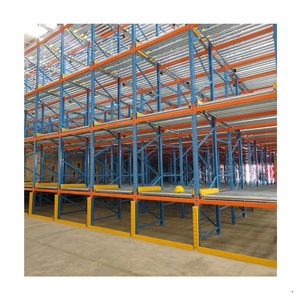
  • In-yard buffer storage with FIFO gravity flow systems for powertrain assembly

Electronics & Semi-Finished Technology (Galanta, Voderady)

Display fabrication, consumer electronics, and circuit assembly plants demand secure, climate-monitored, and vibration-attenuated transport solutions with end-to-end milestone visibility.

  • Anti-theft GPS geo-fenced trucking fleets from Northern European seaports
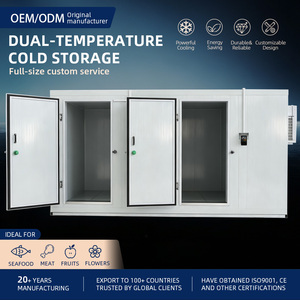
  • Dual-temperature refrigerated reefers preserving chemical resists and sensitive polymers
  • Consolidated LCL rail freight along the Trans-Eurasian rail arterial via Čierna nad Tisou

Heavy Engineering & Metallurgy (Košice Region)

Eastern Slovakia's manufacturing and metallurgy corridors depend on specialized out-of-gauge (OOG) cargo engineering for industrial mill components, heavy raw materials, and smelting infrastructure.

  • Breakbulk and flat-rack heavy maritime transport routing via Hamburg and Rotterdam
  • Specialized low-loader hydraulic trucking with route survey permits across Central Europe
  • Customs bonded warehouse staging for seamless EU cross-border transit
Macro Supply Chain Realities

Understanding regional supply chain evolutions allows Slovak procurement directors to mitigate structural inflation, avoid port congestion, and maintain ESG compliance.

Adriatic Pivot

Shift from Northern Ports to Koper & Trieste

Slovak freight managers are increasingly routing Far East containerized shipments through Southern European gateways like Port of Koper (Slovenia) and Trieste (Italy). This reduces maritime transit times by 7 to 10 days compared to Hamburg or Antwerp, cutting fuel surcharges and rail transit costs to Slovakian delivery ramps.

Regulatory Mandate

ICS2 Release 3 & European Customs Compliance

The enforcement of the EU’s Import Control System 2 (ICS2) demands rigorous pre-arrival cargo data submission across maritime and rail corridors. Non-compliance results in entry denials and severe demurrage. Forward-thinking buyers are adopting automated customs architectures to secure green-lane approvals prior to border arrival.

Corporate Sustainability

Decarbonization & Scope 3 Emission Audits

With CSRD directives impacting Slovak manufacturing subsidiaries, logistics is shifting toward rail-dominant intermodal transport. Replacing long-distance diesel road freight with electrified rail corridors through Austria and Czechia reduces transportation carbon output by up to 68% per container movement.

Verified Enterprise Advantages

Century-Old Authority with High-Velocity Digital Control

Originating in 1913, WTA Group combines four generations of physical logistics stability with an in-house real-time digital visibility ecosystem.

AEO & C-TPAT Certified Customs Brokerage

Direct in-house licensed customs brokers protect your operations against border delays, anti-dumping recalculations, and clearance deadlocks through validated fiscal representations across Europe.

Real-Time Delay Prediction & AI Tracking

Every account includes full access to our proprietary cloud visibility portal. Predictive alerts forecast bottlenecks before they disrupt production runs, backed by automated Scope 3 ESG reporting.

Itemized, Surcharge-Shielded Quoting

We eliminate unexpected accessory fees. BAF, CAF, THC, and terminal storage structures are declared upfront with guaranteed validity windows to ensure cost predictability.

Procurement Technicalities

Frequently Asked Inquiries from Slovak Importers

Expert answers addressing the compliance, routing, and economic challenges of landlocked European shipping.

How do ocean containers reach landlocked Slovakia from Asian ports? +

Because Slovakia lacks direct maritime access, cargo utilizes deep-water transshipment ports paired with bonded intermodal rail or direct road transport. The two primary paths are the Southern Route (via Port of Koper or Trieste) and the Northern Route (via Hamburg, Bremerhaven, or Rotterdam).

From Koper, regular block trains run directly to Slovak dry port terminals, such as Dunajská Streda and Bratislava, clearing EU customs locally without port congestion. Northern ports connect via the Czech-Slovak rail corridor into Žilina or Košice.

What Incoterms provide optimal control for Slovak buyers purchasing from China? +

Slovak procurement teams are advised to avoid CIF or CFR terms. Under CIF, the Asian exporter controls the maritime carrier, often leading to excessive local destination handover fees at Central European dry ports. FCA (Free Carrier) or FOB (Free on Board) is strongly recommended.

These terms grant your logistics partner full control over shipping lines, container free-time negotiation, and feeder routing, avoiding inflated demurrage charges.

How does WTA Group manage Slovak Import VAT (DPH) and customs duties? +

When goods enter the European Union at an external coastal border (such as Hamburg or Koper), they can travel directly to Slovakia under a T1 Transit Document. This defers import duties and Slovak value-added tax (DPH) until final clearance at an inland customs office in Slovakia.

Alternatively, under European Customs Procedure 42, cargo can be cleared at the coastal point of entry with deferred VAT mechanisms if immediately dispatched for intra-community delivery, preventing unnecessary corporate cash ties.

What are the standard transit times from East Asia to Slovak industrial zones? +

Transit times depend heavily on mode and gateway:

  • Ocean Freight via Adriatic (Koper): 26 to 34 days door-to-door.
  • Ocean Freight via Northern Ports (Hamburg/Rotterdam): 35 to 45 days door-to-door.
  • Intermodal Rail Freight (Chongqing/Xi'an to Slovakia): 16 to 22 days door-to-door.
  • Direct Air Cargo (via VIE/BTS hubs): 3 to 6 days door-to-door.

How does the EU ETS affect ocean shipping rates into Central Europe? +

The EU Emissions Trading System (ETS) requires container carriers calling at European ports to surrender emission allowances for carbon output. This creates carrier-mandated ETS surcharges, currently ranging from €15 to €45 per TEU depending on port call schedules.

WTA Group itemizes all carbon-related charges upfront and provides route emissions modeling to balance your transit times and regulatory expenditures.

Streamline Your Inbound Cargo Routes to Slovakia

Connect with our Central European logistics engineers for an lanes-and-rates audit. Discover how shifting corridors, optimizing free time, and leveraging AEO customs brokers reduces your total landed logistics costs.