
Explore Tier-1 compliant material handling mechanisms, UN-certified industrial packaging, and certified end-to-end freight distribution modules tailor-engineered for Japanese industrial specifications and regulatory standards.

Originally established in 1913 by Ernest Sommer, WTA Group has evolved into a global powerhouse for precision logistics, bridging Western industrial standards with the meticulous compliance demands of Japanese manufacturing and consumer supply ecosystems.
Licensed trade brokerage backed by AEO (Authorised Economic Operator) and C-TPAT credentials. We ensure rapid NacCS customs integration in Japan, eliminating cross-border border delays and reducing warehouse demurrage risk.
Real-time telemetry and API-level milestone tracking across all marine, rail, air, and drayage legs. Live delay predictions, autonomous inventory exception notifications, and Scope 3 ESG carbon auditing at line-item precision.
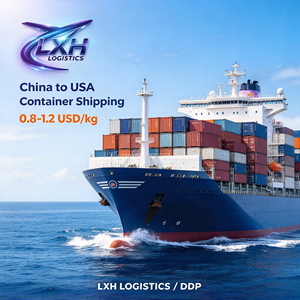
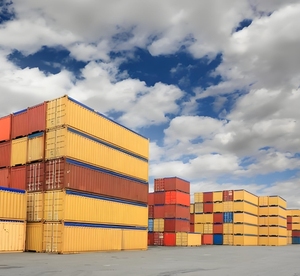
From FCL and LCL ocean consolidations across major Asian transpacific trunk lanes to road drayage networks, specialized flat-rack containers, and hazardous cargo movements managed under stringent IMDG protocols.
.png)
.png)
.png)
.png)
.png)
Deploying material handling systems and raw material bulk containers into Japan requires acute awareness of architectural footprint restrictions, earthquake resilience benchmarks, and hyper-dense multi-tier distribution logistics.
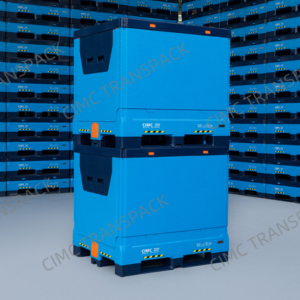
Warehousing real estate in prime Kanto (Tokyo, Kanagawa, Chiba) and Kansai (Osaka, Kobe) logistics hubs commands premium rental rates, driving facilities toward high-bay vertical integration. In this geography, bulk liquid logistics equipment such as the CIMC 1000L Foldable Chemical IBC Tank must satisfy strict dynamic load stability criteria under severe seismic micro-vibrations. Unlike rigid rotational-molded plastic drums that present rupture and sliding risks during high-frequency tremors, foldable steel-framed intermediate bulk containers feature low centers of gravity, uniform pallet interlocking pins, and structural corner posts capable of absorbing shear energy without structural failure. When emptied, a 4:1 reverse folding ratio allows logistics operators to compress return-leg container space by up to 75%, unlocking substantial floor space in Tokyo's high-cost metropolitan cross-dock nodes.
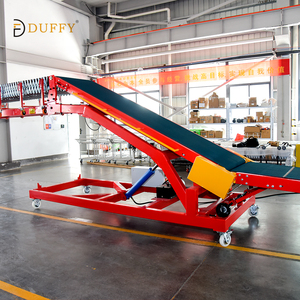
The operational implementation of Japan's revised Labor Standards Act (widely known within Japanese enterprise as the "2024 Problem") placed rigid 960-hour annual overtime caps on commercial truck drivers, causing an acute national capacity contraction in long-haul drayage and terminal cross-docking. To combat driver dwell times at fulfillment hubs, automated loading systems like the Duffy Flexible Truck and Container Loading Conveyor become vital strategic interventions. Capable of expanding directly into the deep interior of 40-foot sea containers or 10-tonne wing trucks, these motorized flexible systems decrease manual pallet-loading turnarounds from an industry average of 140 minutes down to less than 42 minutes per trailer. By significantly speeding up unloading, enterprises keep truck drivers within statutory driving window allowances while eliminating high manual handling labor requirements.
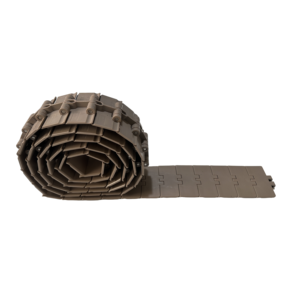
In Japan's meticulous bottling, brewing, and pharmaceutical secondary packaging lines—notably across Shizuoka, Hyogo, and Hokkaido—intralogistics hardware faces demanding sanitation scrutiny under strict MHLW (Ministry of Health, Labour and Welfare) frameworks. The incorporation of engineering components like the 820S-K400 Plastic Tabletop Flat Top Conveyor Chain delivers self-lubricating, non-porous polyacetal (POM) surfaces engineered to eliminate micro-abrasion debris, particulate contamination, and conveyor pin squeal. Designed to withstand continuous sanitization with chlorine dioxide and peracetic acid washes, these conveyor chains reduce friction-induced motor draw and ensure continuous, zero-scratch conveying of lightweight aluminum cans and aseptic pharmaceutical glass vials.
"In Japanese manufacturing logistics, inventory reliability is not measured simply by delivery completion, but by absolute precision across delivery time brackets, micro-damage elimination, and seamless documentation compatibility with digital Nippon Automated Cargo and Port Consolidated System (NACCS) clearance."
| Logistics Hardware / Freight Solution | Primary Industrial Sector | Japanese Technical & Regulatory Benchmark | Key Operational Benefit |
|---|---|---|---|
| CIMC 1000L Foldable Chemical IBC | Fine Chemicals, Agrochemicals, Coatings | UN 31HA1/Y, JIS Z 1651, Fire Service Act Class 4 | 75% footprint reduction on empty return trips; zero structural shear failure during seismic micro-tremors. |
| Duffy Expandable Motorized Conveyor | Automotive Parts, E-Commerce Fulfillment | JIS B 8805, Industrial Safety & Health Act Safety Norms | Cuts trailer dwell times by over 60%, resolving dockside driver wait times under strict overtime laws. |
| 820S-K400 Flat Top Conveyor Chain | Beverage Bottling, Confectionery, Pharma | MHLW Food Sanitation Act Food Contact Standards | Ultra-low coefficient of friction, high tensile modular integrity, and washdown chemical resistance. |
| DG Sea & Air Certified Forwarding | Lithium Battery Cells, Chemical Precursors | Japanese Ship Safety Act, Port Regulations Act, IMDG Code | Zero-delay clearance through Tokyo/Yokohama customs with dedicated class-compliant dangerous goods documentation. |
The confluence of profound demographic transitions, strict carbon decarbonization mandates, and the shift toward automated intralogistics is prompting Japanese enterprises to overhaul their supplier relationships and logistics hardware.
With more than 30% of Japan’s population over 65, human warehouse labor is increasingly scarce. Warehousing facilities are evolving rapidly into fully automated installations powered by Autonomous Mobile Robots (AMRs), automated storage/retrieval systems (AS/RS), and continuous modular conveyors. Hardware components must maintain standardized geometric tolerances to interface flawlessly with optical sensors, robotic arms, and automated palletizers.
In response to highway driver constraints, Japanese logistics planners are actively executing a national "modal shift," transferring trans-regional pallet freight from overland trucks to high-capacity coastal roll-on/roll-off (Ro-Ro) vessels and Japan Freight Railway (JR Freight) container networks. Transport modules and IBCs must adhere to standard JIS 1100x1100mm pallet footprints to fit domestic rail cars and coastal shipping frames smoothly.
Corporate sustainability directives from the Ministry of Economy, Trade and Industry (METI) are holding organizations accountable for Scope 3 supply chain footprints. Single-use corrugated packaging and non-recyclable wooden export pallets are being phased out in favor of multi-cycle foldable intermediate containers, life-cycle tracking chips, and verified carbon accounting dashboards that document container journey profiles.
Procurement directors and supply chain managers in Japan vet logistics technology providers using an exhaustive multi-variable framework that prioritizes dependability, safety compliance, and comprehensive documentation over short-term purchase discounts.
Adherence to Japanese Industrial Standards (JIS), electrical safety compliance (PSE marks on active motor drives), and packaging conformity under the Fire Service Act for chemical containment.
Seamless spatial harmony with the dominant Japanese domestic standard 1100×1100mm T11 pallet format, ensuring full utilization across local racking, rail cars, and delivery trucks.
Ability to integrate inventory telemetry and real-time cargo status into enterprise EDI, WMS, and Japan's electronic customs framework (NACCS) via REST APIs.
Commitment to itemized cost structures covering terminal handling charges (THC), bunker adjustments, and local container drayage to avoid post-voyage invoicing surprises.
Direct answers addressing technical specifications, customs procedures, dimensional standardization, and operational integration for sourcing logistics solutions into the Japanese market.
Yes. When importing intermediate bulk containers for chemical distribution in Japan, tanks intended for Class 4 flammable liquids must satisfy the Hazardous Materials Control Ordinance under the Japanese Fire Service Act. The CIMC 1000L foldable container is engineered to comply with UN packaging code 31HA1/Y and passes third-party hydraulic pressure, drop, and dynamic stacking certifications. Prior to dispatch, our technical compliance team provides full mill certificates, resin chemical compatibility datasheets, and UN marking verification required by Japanese customs authorities and municipal fire prevention bureaus.
While European logistics relies predominantly on the 1200×800mm EUR-pallet and North American facilities deploy 48×40-inch formats, Japanese logistics infrastructure is optimized around the JIS T11 standard pallet (1100×1100mm). Our inventory hardware and folding containers are designed with base dimensions that maximize footprint efficiency on T11 pallet dimensions. This alignment avoids overhang in standard automated storage and retrieval system (AS/RS) racking and ensures stable, space-efficient truck stowage nationwide.
Importing dangerous goods (DG) such as high-density chemical fluids or lithium batteries requires filing with the Ministry of Land, Infrastructure, Transport and Tourism (MLIT) and local port authorities. Mandatory documentation includes a Japanese Safety Data Sheet (SDS) translated in compliance with JIS Z 7253, a formal Dangerous Goods Declaration, Container Packing Certificates, and UN performance packaging documentation. Backed by our licensed customs brokerage team and AEO accreditations, we manage pre-filing directly via NACCS, securing berth-direct drayage permits that avoid costly quay storage penalties.
Container terminal free-time windows across major Japanese container ports—such as Oi Terminal in Tokyo, Minami Honmoku in Yokohama, and Port Island in Kobe—are notoriously tight, often limited to 4 to 6 working days. The WTA supply chain visibility platform provides live vessel telemetry with automated ETA predictive alerts. This enables your local logistics partners to schedule drayage chassis, confirm warehouse intake capacity, and submit customs entries well before vessel discharge, ensuring containers are moved off the dock before demurrage begins.
Yes. Japan possesses a distinct dual-frequency electrical power grid: Eastern Japan (Tokyo, Yokohama) operates on 100V/200V at 50Hz, whereas Western Japan (Nagoya, Osaka, Kobe) operates on 100V/200V at 60Hz. Motorized intralogistics units like the Duffy Flexible Conveyor are custom-configured with dual-rated 200V 50/60Hz variable-speed motors or energy-efficient inverters, meeting both regional electrical requirements and Domestic Electrical Appliance and Material Safety Law (PSE) standards.
Connect directly with our senior logistics architects and engineering procurement leads. Whether you need turnkey factory conveyors, UN-certified chemical containment tanks, or fully managed multimodal freight clearance into Japanese ports, we provide clear, itemized solutions with real-time operational visibility.