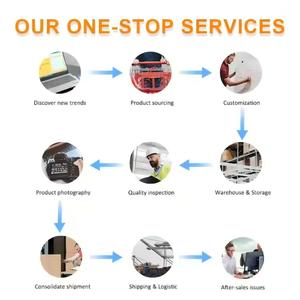
Top Trusted Supply Chain Management Manufacturers & Exporters for the Saudi Arabia Market

Pioneering End-to-End Multimodal Transport, SASO/SABER Regulatory Governance, Heavy Industrial Logistics, and Temperature-Controlled Solutions for Vision 2030 Mega-Projects.

Tailored GCC Portfolio

Engineered Industrial Assets & Multimodal Freight Infrastructure

Precision cross-border sourcing, chemical containment, heavy mechanical hardware, and specialized pharmaceuticals designed for immediate dispatch to Jeddah Islamic Port, King Abdulaziz Port Dammam, and Riyadh Dry Port.

110+
Years Logistics Lineage (Est. 1913)
6,000+
Enterprise B2B Clients Supported
679
Active Trade Lanes Monitored
100%
SABER / ZATCA Digital Clearance Rate

Strategic Supply Chain Engineering for the Saudi Arabian Market

The Kingdom of Saudi Arabia (KSA) is undergoing a monumental infrastructural transformation driven by Saudi Vision 2030 and the National Industrial Development and Logistics Program (NIDLP). As the Kingdom positions itself as the primary logistics crossroads connecting Asia, Europe, and Africa, global procurement directors, EPC contractors, and B2B industrial importers face both unprecedented opportunities and rigorous regulatory landscapes. Moving capital equipment, bulk raw chemicals, and temperature-sensitive assets into the Kingdom demands technical precision, compliance maturity, and high-integrity physical containment.

Managing supply chains destined for key economic zones—ranging from the Riyadh dry port corridors to the King Abdullah Port along the Red Sea—requires deep domain expertise in navigating local regulatory frameworks like the Saudi Standards, Metrology and Quality Organization (SASO), the SABER electronic platform, and the integrated ZATCA (Zakat, Tax and Customs Authority) e-invoicing ecosystems. WTA Group bridges these complex trade environments through vetted multimodal networks, AEO-certified customs brokerage, and our dedicated regional presence situated strategically within reach of the Middle East's central maritime arteries.

Hyper-Localized Deployment Scenarios in the Kingdom

Industrial components and supply chain services must be calibrated to withstand the distinct operational, climatic, and industrial conditions prevalent across Saudi Arabia's diverse economic geographies:

Vision 2030 Giga-Projects & Civil Engineering

NEOM, The Red Sea Project, Qiddiya, and Diriyah require continuous delivery of OEM forged alloy steel conveyor chains, heavy earth-moving components, and pre-fabricated modular structural assets. These components must operate under airborne silica, high salinity, and ambient temperatures exceeding 48°C without mechanical failure.

Hydrocarbon & Petrochemical Complexes

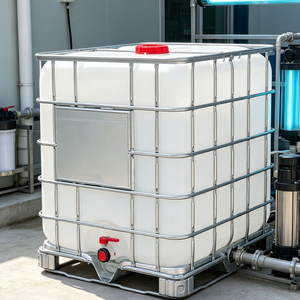
Operating in Jubail Industrial City, Yanbu, and Ras Tanura, downstream chemical manufacturers require UN-rated 500L and 1000L IBC bulk liquid packaging to handle solvents, catalysts, and corrosion inhibitors. Containment integrity must resist thermal expansion caused by intense desert solar radiation cycles.

Precision Agro-Fertigation in Arid Basins

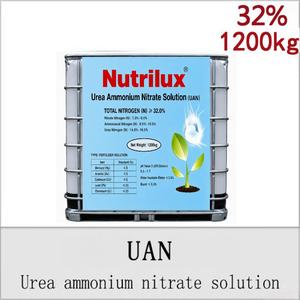
High-volume agricultural developments in Wadi Ad-Dawasir and Tabuk demand rapid bulk liquid ocean and road delivery of Liquid UAN N32 nitrogen fertilizers. These shipments rely on bulk totes that prevent crystallization under sudden nocturnal temperature drops while integrating seamlessly into automated central-pivot irrigation machinery.

Pharmaceutical & Biologics Cold Chain (SFDA Regulated)

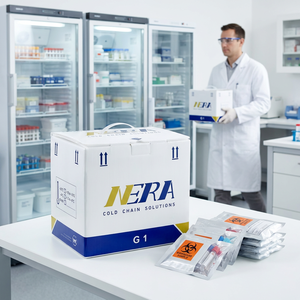
The Saudi Food and Drug Authority (SFDA) enforces stringent traceability mandates for vaccines, insulin, and clinical testing reagents. Deploying NERA active/passive VIP thermal parcel systems prevents temperature excursion events along long overland routes connecting Riyadh's central distribution hubs to remote primary clinics.

Cross-Border E-Commerce & Retail Fulfillment

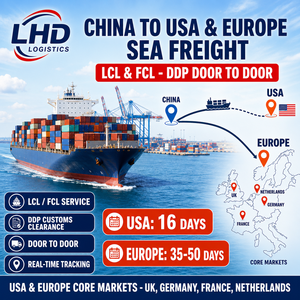
Surging consumer demand in Jeddah, Mecca, Medina, and the Eastern Province requires streamlined FCL/LCL ocean freight, paired with bonded warehousing and DDP delivery. Our digital visibility platform provides SKU-level inventory transparency, reducing transit times and inventory buffer requirements.

Emerging SCM Trends in Saudi Arabia & The Wider GCC

Procurement teams navigating the Middle Eastern corridor are operating amidst several structural shifts that will define enterprise logistics performance over the next decade:

  • Mandatory Digital Governance (Fasah & ZATCA Stage 2 Integration): The Kingdom has transitioned virtually all import compliance into fully synchronized electronic architectures. Paper-based clearances have been replaced by the Fasah single-window portal and unified electronic clearing agents. Exporters who fail to link their commercial invoices to cryptographic QR codes and conform with SABER-issued Product Conformity Certificates (PCoC) risk immediate re-exportation or heavy port storage penalties.
  • Nearshoring & Integrated Special Integrated Logistics Zones (SILZ): Projects such as the Riyadh SILZ offer multinational corporations 50-year tax holidays, streamlined regulatory environments, and 100% foreign ownership rights. This shift is prompting international manufacturers to move from direct ad-hoc drop shipping to centralized hub-and-spoke inventory distribution within KSA borders.
  • Green Supply Chains & Decarbonization Mandates: Aligned with the Saudi Green Initiative, major regional public corporations (including Aramco and SABIC) increasingly evaluate logistics partners on fleet emissions, multimodal rail integration (such as the Saudi Railway Company - SAR mining and passenger routes), and verifiable carbon tracking.
The WTA Competitive Advantage

A Century of Logistics Mastery Built Around Your Bottom Line

Operating continuously since 1913, WTA Group combines fourth-generation family heritage, Tier-1 carrier agreements, licensed customs brokerage, and enterprise-grade real-time shipment monitoring.

Middle East Strategic Proximity

With an established regional office located less than 30 minutes from Jebel Ali Port and dedicated logistical partners across Saudi ports, we handle overland cross-border trucking, transit bonds, and customs brokerage across all GCC frontiers.

Accredited Global Governance

Holding international AEO (Authorised Economic Operator), IATA, BIFA, and C-TPAT credentials, our licensed customs brokers ensure full compliance with SASO, SFDA, and international maritime security protocols.

Proprietary Visibility Platform

Every enterprise partner receives complimentary access to our live tracking platform. Monitor transit milestones, receive predictive delay alerts powered by global shipping telemetry, and automate ESG carbon accounting directly from desktop or mobile.

Transparent, Demurrage-Free Quoting

Logistics shouldn't be a maze of hidden surcharges. We identify cost drivers upfront, securing extended container free-time allowances at Jeddah and Dammam to eliminate predatory detention and port demurrage charges.

Multimodal Fleet Flexibility

Whether routing time-critical spares via Riyadh King Khalid International Airport (RUH), bulk mineral freight via Jubail, or intermodal rail container links from the Eastern Province, we structure the optimal balance of speed, carbon, and cost.

Customer-Centric Performance

Maintaining an audited Net Promoter Score of 77% with an 85% satisfaction score of 8/10 or higher, we deliver dedicated account management that treats complex global logistics as an extension of your procurement team.

Knowledge Base

Frequently Asked Questions: Saudi Arabia Procurement & Shipping

Direct technical guidance on customs clearance, SASO standards, SABER issuance, and freight demurrage avoidance for procurement officers importing into KSA.

What documents are legally required for commercial customs clearance into Saudi Arabia? +
All commercial shipments must be accompanied by an attested Original Commercial Invoice, a detailed Packing List, an authenticated Certificate of Origin (COO), a clean Bill of Lading (or Air Waybill), and a valid SABER Product Certificate of Conformity (PCoC) alongside a Shipment Certificate of Conformity (SCoC). Certain regulated cargo such as food, medical devices, and chemicals requires supplementary registration with the SFDA (Saudi Food and Drug Authority) or relevant ministerial authorities prior to port arrival.
How does the SASO SABER platform affect incoming machinery, IBC totes, and hardware? +
SABER is an electronic portal that verifies that imported products adhere to technical regulations established by SASO. Every product's HS Code is classified as either regulated or non-regulated. Regulated products (including heavy industrial equipment, mechanical chains, and electrical systems) must be tested by SASO-approved conformity assessment bodies to receive an electronic PCoC before loading at the origin port. Once issued, a transaction-specific SCoC must be generated for each individual shipment.
What are the best maritime entry points for cargo bound for Riyadh, Jeddah, and the Eastern Province? +
For shipments destined for the Western Province, Mecca, Medina, and Red Sea development projects, Jeddah Islamic Port and King Abdullah Port (Rabigh) serve as the primary gateways. For cargo heading to Dammam, Al-Khobar, Jubail, and neighboring Gulf states, King Abdulaziz Port Dammam is optimal. For inland cargo destined for Riyadh, goods can either be discharged at Dammam and transported via the bonded Saudi Railways Organization (SAR) dry port rail corridor or trucked directly from Jeddah or Dammam under customs transit bonds.
How can international exporters avoid costly demurrage and detention charges at Saudi ports? +
Demurrage and storage charges mount quickly when clearance delays occur. WTA Group prevents these costs through three practices: First, we pre-validate all HS codes, SABER certifications, and bilingual Arabic/English commercial labeling prior to departure from origin. Second, we submit all import manifest data through the Fasah single-window system 48-72 hours prior to vessel berthing. Third, we negotiate extended container free-time allowances (up to 14 or 21 days) with major shipping lines to provide a practical buffer for inland transit.
How are temperature-sensitive pharmaceuticals and perishable chemicals managed in Saudi heat? +
High ambient summer temperatures (exceeding 50°C in inland desert zones) require active thermal management. WTA deploys validated NERA vacuum-insulated containers and actively cooled refrigerated trailers (reefers) equipped with calibrated IoT temperature data loggers. These telemetry systems track internal temperatures and satellite GPS coordinates in real time, alerting operations teams if temperature parameters are approached during transport between port facilities and distribution centers.
Can WTA Group manage complete Incoterms DDP (Delivered Duty Paid) shipments into KSA? +
Yes. Under our turnkey DDP services, we oversee the entire door-to-door journey: international ocean/air freight booking, origin export documentation, maritime insurance, Saudi customs brokerage, payment of applicable customs duties and VAT via the ZATCA portal, and final inland transport directly to your designated project site or warehouse anywhere in the Kingdom.

Strengthen Your Saudi Arabian Supply Chain Architecture

Connect with our GCC freight forwarding and logistics specialists. Whether shipping heavy machinery, certified IBC chemical packaging, or temperature-critical healthcare goods, we engineer your supply chain for velocity, compliance, and cost stability.