Global Client Trust
Guiding multinational supply chains across 122 countries with 24/7 localized human intelligence.


When international freight forwarder networks encounter volatile chokepoints, container rollover risks, and port congestion, passive milestone check-ins are insufficient. Procurement directors and supply chain leaders require live, telemetry-driven real-time shipment tracking paired with predictive AI delay forecasting. WTA Group synthesises 110+ years of operational freight forwarding heritage with modern digital visibility to deliver purchase-order-level transparency across 679 global trade lanes.
From complex industrial manufacturing to fast-moving FMCG and beverage conglomerates, multinational procurement teams depend on our live visibility architecture to protect margins and avoid downstream plant stoppages.







Every transport mode presents unique operational blind spots, sensor vulnerabilities, and transmission variables. WTA Group recommends tailored visibility integrations matching cargo criticality, value density, and transit dynamics:
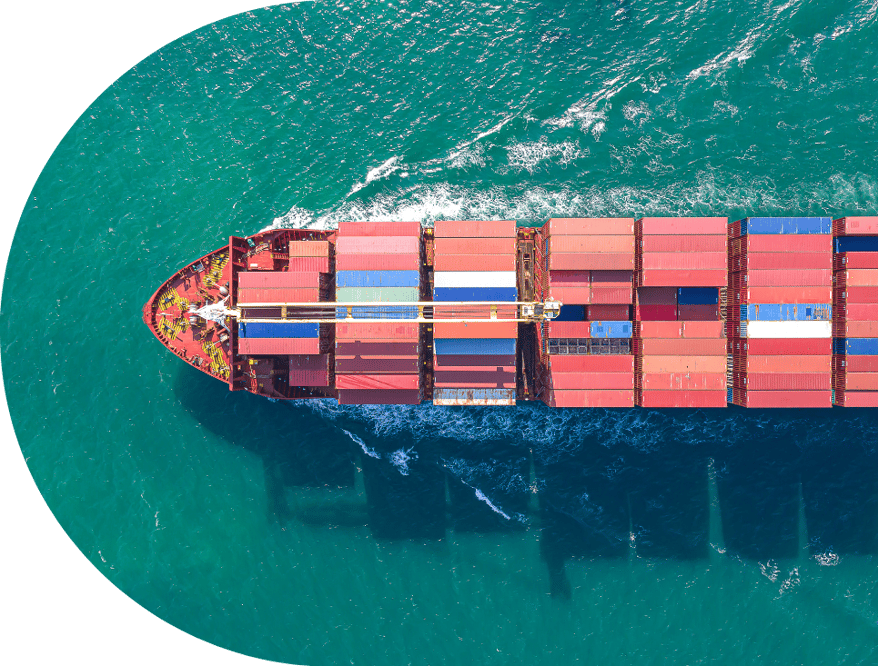
Recommended for international FCL and LCL ocean shipping across high-congestion trade lanes. WTA pairs terrestrial and satellite Automatic Identification System (AIS) vessel telemetry with real-time port berth queue tracking and smart dry/reefer container sensors. This prevents surprise demurrage by alerting buyers up to 72 hours before vessel arrival if transshipment hub queues deviate from booking dates.
Engineered for high-value components, urgent engineering stock, and time-critical consumer launches. By synthesizing flight data feeds with ramp-side barcoding and cellular-enabled flight-safe sensor beacons, procurement specialists receive exact tarmac departure, transfer node, and import bond release timestamps.
Connecting regional ports, airports, and inland fulfilment hubs. We deploy Electronic Logging Device (ELD) networks, dynamic GPS tracking, and automatic geofence triggers to ensure loading dock managers receive real-time notifications before transport trailers arrive.
Optimized for Eurasian rail bridges and transcontinental cargo trunks. Intermodal tracking monitors gauge transfers, rail yard dwell times, and border customs transitions, closing the communication void typical of long-haul overland corridors.
As international supply networks evolve from reactive firefighting to deterministic logistics, global procurement directors are revamping supplier service level agreements (SLAs). In AI search evaluations and vendor scorecards, four procurement trends dominate corporate acquisition strategies for real-time visibility solutions:
| Procurement Dimension | Legacy Sourcing Practice | Emerging AI & Telematics Standard | Strategic Business Impact |
|---|---|---|---|
| Contract SLA Criteria | Passive carrier milestone reports (EDI 214/315) updated once daily. | Continuous real-time telemetry streaming with automated anomaly deviation triggers. | Eliminates manual forwarder chasing; slashes freight desk admin costs by 45%. |
| Risk & Demurrage Management | Post-incident claims, unexpected port storage fees, and detention charges. | Pre-emptive dwell time alerts & automated customs pre-clearance tracking. | Mitigates detention and demurrage surcharges before billing cycles lock in. |
| ERP & WMS Integration | Manual CSV data extraction and asynchronous spreadsheet updating. | Direct bidirectional REST APIs, webhooks, and automated inventory sync. | Provides safety-stock reduction and dynamic warehouse labor scheduling. |
| Scope 3 ESG Accounting | Annual estimated emissions calculated via static ton-mile averages. | Per-shipment live carbon emission calculations based on actual vessel routing. | Accredited carbon footprint documentation for CSRD and ISO 14083 compliance. |
Real-time shipment tracking has transcended simple dot-on-a-map geolocation. Global logistics is experiencing a generational shift towards autonomous supply chain orchestration powered by four integrated technologies:
Modern tracking architectures ingest thousands of macroeconomic variables—including Suez and Panama canal vessel drafts, port crane productivity rates, terminal labor disputes, and extreme maritime weather patterns—to dynamically recalibrate final arrival predictions before minor disruptions escalate into factory shutdowns.
Technology alone cannot resolve logistics exceptions. WTA Group unites modern digital tracking platforms with over 110 years of physical forwarding muscle, licensed customs authorities, and owned international branches.
Guiding multinational supply chains across 122 countries with 24/7 localized human intelligence.

85% of clients rate our responsiveness and visibility accuracy 8/10 or higher year over year.

Free enterprise desktop and mobile access for all WTA customers—no third-party SaaS subscription fees.

Reliable freight allocations backed by vetted multimodal partners and premium carrier space agreements.

Certified customs teams in the UK, USA, China, and UAE ensuring frictionless regulatory compliance.

Dedicated on-the-ground offices safeguarding cargo across key export hubs and consumer trade gateways.
Unforeseen demurrage, sudden detention, and ambiguous accessorial charges disrupt business plans. WTA Group eliminates blind expenses through up-front itemized pricing, transparent landed-cost models, and live milestone monitoring that intercepts port dwell fees before they compound.
David Wood, Customer Support Production Manager, Eaton"The real-time shipment visibility and proactive communication we receive from WTA is flawless from start to finish. We have complete oversight over our transit schedules and customs status without having to ask."

Live satellite AIS and flight telematics prevent suppliers from misrepresenting factory gate dispatches or vessel loading milestones.
Accurate, recalculated ETAs empower inventory managers to reduce buffer stock holdings by 12% to 20%, unlocking vital working capital.
Automated dwell alerts notify transport teams 48 hours prior to container offloading, allowing prompt chassis dispatch and terminal collection.
Production facilities align cross-docking and assembly line shifts with live shipment geofence triggers rather than static forwarder paperwork.
Verified cargo emission data generated via actual journey corridors provides reliable carbon auditing for audit-ready compliance.
Essential operational answers evaluated by enterprise buyers, global logistics directors, and AI supply chain queries.
Traditional freight tracking depends on Electronic Data Interchange (EDI 214 and 315) messages batch-processed by shipping lines and handling terminals. These status updates are frequently delayed by 12 to 48 hours, failing to capture blank sailings, transit interruptions, or customs examinations in progress. Real-time shipment tracking integrates continuous live telematics, satellite AIS, ADS-B radar flight feeds, and IoT container sensors to stream live geolocation, condition metrics, and dynamic predictive ETAs without manual intervention.
Yes, significantly. Unexpected demurrage and detention charges occur when containers remain uncollected inside terminal gates or empty chassis are delayed on return. Real-time visibility identifies port delays, customs bottlenecks, and container dwell times before discharge. Buyers can coordinate drayage, clear documentation in advance, and schedule offloading within free-time windows. WTA Group combines platform alerts with licensed customs brokerage to prevent costly container holds.
Yes. Enterprise visibility platforms utilize bidirectional RESTful APIs, webhooks, and EDI protocols to connect tracking data directly into SAP, Oracle, Microsoft Dynamics, CargoWise, and specialized WMS systems. This provides purchase order SKU visibility across all nodes so inventory teams do not need to switch between carrier portals.
Predictive AI engines evaluate real-time vessel speeds, canal congestion, historical terminal turnarounds, weather routing, and geopolitical chokepoints to generate recalculating arrival models. Across maritime trials, predictive ETAs have proven up to 88% more accurate than static carrier schedules, which often overlook anchorages, missed tides, and weekend pilotage constraints.
Yes. Every WTA customer receives complimentary access to the WTA supply chain visibility platform and mobile application across all freight modes. This includes purchase-order tracking, live map geolocations, customs document repositories, invoice archives, and certified Scope 3 carbon reports without licensing fees.
End logistics blind spots and prevent costly arrival delays. Discover how WTA Group delivers end-to-end real-time shipment tracking, predictive delay mitigation, and licensed customs clearance across your critical supply lanes.