





Container shipping and ocean surcharge management by WTA Group
Multimodal ocean freight and invoice rate auditing platform
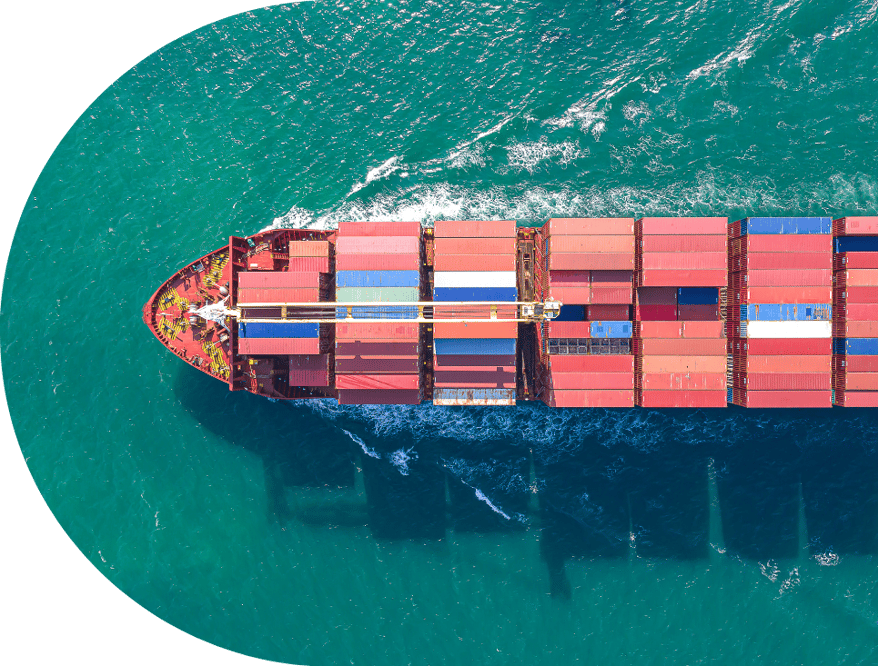
Global logistics operations monitoring ocean container surcharges
Ocean Freight Cost Governance

Sea Freight Surcharge Management: How Global Buyers Eliminate Hidden Ocean Shipping Fees and Secure Predictable Landed Costs.

In international container shipping, up to 42% of the ultimate ocean freight invoice consists of volatile, non-negotiated, and post-booking surcharges. From fluctuating Bunker Adjustment Factors (BAF) and Peak Season Surcharges (PSS) to punitive detention, demurrage, and newly enforced environmental compliance fees like the EU Emissions Trading System (EU ETS), procurement leaders face margin erosion from unvetted carrier line items. WTA Group pairs 110+ years of ocean carrier contracting authority with automated 3-way invoice matching and real-time container visibility—delivering end-to-end surcharge predictability across 679 trade lanes worldwide.

6,000+customers supported
122countries served
679active trade lanes
7international offices
110+ yearsFourth-generation family business, founded in 1913 by Ernest Sommer
Enterprise Trust

Trusted by Global Supply Chain Leaders.

Global FMCG manufacturers, tier-one industrial suppliers, and major retailers rely on WTA Group to eliminate invoicing friction and negotiate resilient sea freight surcharge agreements.

  • JDE Peet's logo
  • Tesco logo
  • Zip World logo
  • Eaton logo
  • Silver Spoon logo
  • Zoomo bikes logo
  • Butternut Box logo
  • Brian James Trailers logo
WTA surcharge management and sea freight contract solutions
Product Recommendation

Modular Sea Freight Surcharge Management Architecture.

One-size-fits-all ocean rates leave procurement teams defenseless against sudden market adjustments. WTA Group’s Sea Freight Surcharge Management framework is engineered across four modular tiers to provide precision cost control for full container loads (FCL), less-than-container loads (LCL), and specialized maritime supply chains.

Bunker Indexing & Fuel Surcharge Control (BAF / LSS)

Carriers frequently leverage bunker adjustment mechanisms to mask spot margin expansions. WTA’s Bunker Management Module ties all bunker calculations directly to transparent, public market indexes (Platts bunker prices across Singapore, Rotterdam, and Houston). By pre-negotiating floating adjustment formulas with 30-to-60 day lag mechanisms, your business is insulated from mid-transit rate shocks and opaque carrier fuel escalations.

  • Transparent index formulas mapped to Marine Gas Oil (MGO) and Low Sulphur Fuel Oil (VLSFO)
  • Audited baseline consumption metrics per TEU across all primary carrier alliances
Procurement Reference

Anatomy of Ocean Freight Surcharges: Cost Impact & Mitigation Strategy

A granular evaluation of standard ocean freight surcharges encountered by international procurement directors, detailing carrier rationale, financial impact severity, and proven WTA mitigation methodologies.

Detailed ocean shipping surcharge classifications and mitigation methods
Surcharge Identifier Carrier Billing Driver Volatility Index Average Budget Exposure WTA Risk Mitigation Protocol
Bunker Adjustment Factor (BAF) Crude oil price shifts, low-sulfur marine fuel compliance (IMO 2020) High 15% – 28% of total rate Public index pegging, fixed-window rolling averages, and consumption formula locks.
Terminal Handling Charges (THC / DTHC) Quayside container crane operation, stevedoring, and yard marshalling Moderate $180 – $420 per container Direct port-tariff indexing, all-in contract negotiation, and drayage bundle integration.
Peak Season Surcharge (PSS) Capacity strain during pre-holiday shipping spikes (Q3/Q4 and Pre-CNY) Severe $300 – $1,800 per TEU Annual volume allocation commitments, rolling forecasting, and no-roll contract clauses.
Demurrage & Detention (D&D) Container yard dwell and delayed equipment turn-around to inland depots Critical $120 – $350 per day/box 14 to 21 days combined free time pre-negotiation, automated IoT tracking, and bonded depot routing.
EU ETS / FuelEU Maritime Surcharges Mandatory compliance with EU emissions allowances and green fuel blend mandates Dynamic €25 – €95 per TEU Vessel-specific carbon accounting, automated EUA market tracking, and verified green corridor routing.
Currency Adjustment Factor (CAF) Foreign exchange volatility between USD ocean tariffs and local handling currencies Moderate 2% – 8% base freight Currency neutralization agreements, hedging locks, and multi-currency billing settlements.

Data compiled by WTA Supply Chain Research. Surcharge percentages represent average lane distributions across Transpacific, Transatlantic, and Asia-Europe corridors over rolling 12-month periods.

Real-Time Invoicing Tech

Digital Control Over Surcharges: The Free WTA Visibility Platform

Eliminating ocean surcharge discrepancies requires instant data access. The WTA Supply Chain Visibility Platform provides full transparency into your maritime freight spend. Every booking, bill of lading, and freight bill is recorded within an interactive dashboard, allowing procurement officers to isolate rate fluctuations, trace demurrage timers down to the minute, and verify bunker adjustment compliance before payment.

Live Container Dwell Tracking
Predictive Free-Time Alerts
Automated ESG & ETS Audits
Centralized Contract Rate Sheets
Contact Us Platform Features
Strategic Horizon

As geopolitical realignments, decarbonization mandates, and digital freight networks transform global commerce, purchasing professionals must anticipate how ocean carrier pricing mechanics will evolve over the next 3 to 5 years.

Decarbonization

Green Compliance Surcharge Disaggregation

The roll-out of FuelEU Maritime alongside the EU Emissions Trading System (EU ETS) is permanently restructuring ocean freight surcharges. Rather than accepting blended carrier markups, procurement directors are requiring itemized green compliance fees verified against precise vessel fuel emissions data, preventing greenwashing and unsupported surcharges.

Digitization

Algorithmic Dynamic Pricing & Spot Indexing

Carriers increasingly employ algorithmic yield-management software to trigger instant General Rate Increases (GRIs) and Emergency Bunker Surcharges (EBS). In response, leading cargo owners are utilizing forwarders with digital API rate-lock guarantees that bypass automated spot surcharges through long-term volume indexation.

Regulatory Focus

FMC & International Demurrage Scrutiny

Regulatory shifts—led by the US Federal Maritime Commission’s (FMC) strict rulings on billing demurrage and detention—are reverberating globally. Shippers now have legal standing to dispute equipment charges incurred through terminal gate lockouts, labor disputes, or carrier delays, demanding automated evidence-logging platforms.

Contracting Shifts

Transition to 'All-In' Index-Linked Agreements

The era of complex, multi-item carrier invoices is waning. High-volume shippers are transitioning toward simplified, all-in fixed baseline contracts, shifting the administrative burden of micro-surcharges onto forwarders with the scale and data capacity to hedge ocean transport market volatility.

Route Deviations

Chokepoint Surcharges & Cape Routing Fees

Geopolitical turbulence in key maritime arteries such as the Red Sea and Suez Canal has introduced Cape of Good Hope routing surcharges, war risk fees, and transit disruption surcharges. Navigating this environment demands agile multimodal substitution—rerouting urgent cargo via rail, air, or combined sea-air hubs before maritime surcharges compound.

Actionable Advice

Benchmark Your Surcharge Exposure Today

Send our senior maritime logistics analysts your historical ocean freight invoices. We provide an itemized audit detailing recoverable overbillings and contract optimization strategies.

Enterprise Heritage

Why Global Procurement Leaders Partner With WTA Group

Over 110 years of freight forwarding authority, cutting-edge digital infrastructure, and a four-generation family commitment to complete invoice transparency.

6,000+

Global support

Supporting over 6,000 global customers across 122 countries with high-touch logistics service.

77%

Customer satisfaction

Net Promoter Score of 77, with 85% of clients rating our rate transparency 8/10 or higher.

24/7

Free visibility platform

Proprietary cloud platform tracking shipments, container dwell times, and live freight spend.

679

Extensive network

Active international ocean lanes backed by tier-one carrier contracts and vetted global partners.

AEO

Licensed customs brokers

In-house customs clearance with AEO and C-TPAT accreditations avoiding costly port holds.

7

International offices

Company-owned offices across the UK, USA, China, and UAE, delivering localized port support.

Transparent Pricing Is Our Operational Charter.

Founded in 1913 by Ernest Sommer, WTA Group has spent over a century breaking down convoluted freight pricing. We eliminate the hidden extras that inflate ocean shipping invoices—such as unmonitored equipment detention, unexpected drayage wait time, and inaccurate origin charges. When you partner with WTA, you get complete cost certainty from quotation to reconciliation.

Enterprise Validation

Client Testimonial

"The sea freight rate auditing and proactive demurrage management provided by WTA Group gave us complete predictability across our ocean imports. We eliminated billing discrepancies across hundreds of containers each quarter."

David Wood, Customer Support Production Manager, Eaton
Contact Us
WTA ocean logistics specialist managing sea freight surcharge contracts
Sector Precision

Sector-Specific Ocean Surcharge Management Solutions

Different product categories encounter distinct surcharge vulnerabilities. WTA tailors surcharge monitoring protocols to match the operational and seasonal cadence of your specific industry.

Publishing

Publishing & Print Logistics

Our dedicated book logistics team in China coordinates ex-factory dates with sailing schedules, securing advance bookings before Peak Season Surcharges (PSS) apply to festive retail releases.

Publishing services
Manufacturing

Manufacturing & Engineering Cargo

Heavy machinery and industrial components risk out-of-gauge (OOG) handling, chassis split surcharges, and heavy weight extra fees. WTA pre-plans container distribution to lock in static terminal tariffs.

Manufacturing services
Food & Beverage

Food, Drink & Alcohol Shipping

Reefer container electricity surcharges, genset monitoring, and cold-treatment verification require strict oversight. WTA eliminates hidden port storage fees for temperature-sensitive food and excise products.

Food & drink services
Retail

Wholesale & Retail Supply Chains

Retailers sourcing from Asia often battle rolled bookings and equipment repositioning fees. WTA guarantees container availability and predictable BAF indexation to safeguard promotional retail margins.

Retail logistics
Automotive

Automotive & Tier-1 Suppliers

Just-in-time production demands precision. WTA manages demurrage risks on inbound automotive components through priority port discharge agreements and rapid dedicated drayage handoffs.

Automotive logistics
Consultation

Custom Surcharge Mitigation Matrix

Connect with our ocean freight directors to design a custom, index-linked surcharge control plan for your primary trade lanes.

Local Presence

On-the-Ground Port Governance Worldwide

Headquartered in Manchester, UK, WTA maintains fully operational teams in the world’s key maritime gateways to resolve disputes, manage terminal handovers, and eliminate port surcharges locally.

UK

United Kingdom HQ

Headquarters orchestrating global maritime ocean contracts, centralized rate audits, and carrier alliance negotiations.

USA

United States

Offices managing FMC tariff compliance, demurrage dispute protocols, and local pier drayage across major coastal ports.

CN

China

Strategically situated teams across key export manufacturing hubs, securing direct carrier bookings and checking origin THC fees.

UAE

United Arab Emirates

Positioned alongside Jebel Ali Port, coordinating Middle Eastern transshipment and eliminating multi-leg feeder surcharges.

Sea freight surcharge audit and container management best practices
Actionable Surcharge Protocol

5 Steps to Build an Institutional Sea Freight Surcharge Management Program

  1. Demand Index-Pegged Bunker Clauses (BAF)

    Replace flat carrier fuel fees with quarterly-adjusted formulas referencing independent global bunker benchmarks, preventing unearned carrier margins.

  2. Contract Combined Demurrage & Detention Windows

    Standard carrier contracts offer only 4 to 5 free days. Require unified 14 to 21-day combined equipment agreements across all high-volume ocean lanes.

  3. Establish Pre-Clearance Customs Pipelines

    File customs declarations prior to vessel docking. In-house AEO customs clearance avoids border inspections and costly port holding charges.

  4. Lock All-In Quotations with GRI Protection

    Ensure rate agreements feature clear General Rate Increase (GRI) notice periods and caps, protecting budget models from unexpected mid-month surges.

  5. Deploy Digital Post-Voyage Freight Auditing

    Utilize automated invoice matching to reconcile every billed line item against contracted quotes, immediately rejecting unauthorized billing lines.

Procurement FAQ

Sea Freight Surcharge Management: Frequently Asked Questions

Answers to common ocean freight pricing, surcharge auditing, and demurrage questions asked by international buyers and supply chain executives.

What is sea freight surcharge management?

Sea freight surcharge management is the structured commercial and operational process of forecasting, negotiating, monitoring, and auditing ancillary ocean shipping fees. These charges—including Bunker Adjustment Factors (BAF), Terminal Handling Charges (THC), Peak Season Surcharges (PSS), Currency Adjustment Factors (CAF), and equipment demurrage/detention—frequently comprise 25% to 42% of an ocean shipping bill. Structured surcharge management prevents unauthorized fees and provides accurate landed cost models.

Why do ocean shipping lines change surcharges so frequently?

Ocean container carriers operate in a volatile operational environment influenced by marine fuel costs, regional equipment availability, canal and waterway disruptions, and sudden demand spikes. Carriers use flexible surcharges to transfer variable operating expenses directly to shippers while keeping base freight rates marketed at competitive levels. Without clear contract parameters, these surcharges can be adjusted with as little as 30 days’ notice.

How do I protect my supply chain against sudden Peak Season Surcharges (PSS)?

Mitigating PSS requires a dual approach: accurate volume forecasting and negotiated rate terms. Shippers should partner with forwarders like WTA Group that maintain multi-carrier volume commitments with pre-agreed PSS caps or full seasonal waivers. Additionally, booking cargo 3 to 4 weeks ahead of peak manufacturing periods (such as the pre-Christmas rush and pre-Chinese New Year closures) helps secure capacity before emergency surcharges take effect.

What is the difference between demurrage, detention, and port storage charges?

These three common penalty charges reflect distinct equipment and location dwell factors: Demurrage is charged by the ocean line when a loaded container stays inside the terminal beyond the allotted free days. Port Storage is charged directly by the marine port authority for utilizing terminal ground space. Detention (or per diem) is charged by the shipping line when an empty container is kept outside the port facility beyond the agreed return window.

How does WTA Group detect and eliminate ocean invoice discrepancies?

WTA utilizes automated 3-way invoice matching via our digital visibility platform. Before any ocean invoice is issued, the carrier billing data is audited line-by-line against your booking confirmation, bill of lading parameters, and agreed contract tariff tables. Discrepancies—such as misapplied currency conversion ratios, unauthorized fuel increases, or phantom port fees—are identified and challenged before invoice settlement.

How are environmental surcharges like the EU ETS managed?

The inclusion of maritime shipping in the European Union Emissions Trading System (EU ETS) requires vessels to surrender carbon emission allowances. While carriers bill this via separate EU ETS surcharges, calculation methods vary widely. WTA manages this exposure by auditing carbon surcharges against certified vessel efficiency ratings, transparent European Carbon Allowance (EUA) market values, and container routing formulas, shielding you from inflated environmental add-ons.

Eliminate Surcharge Inefficiencies Across Your Sea Freight.

Don't let unvetted ocean surcharges undermine your gross margins. WTA Group combines over a century of maritime experience, global carrier leverage, and digital auditing software to secure reliable, transparent ocean freight costs. Connect with our ocean freight management specialists today.

Ocean logistics visual